
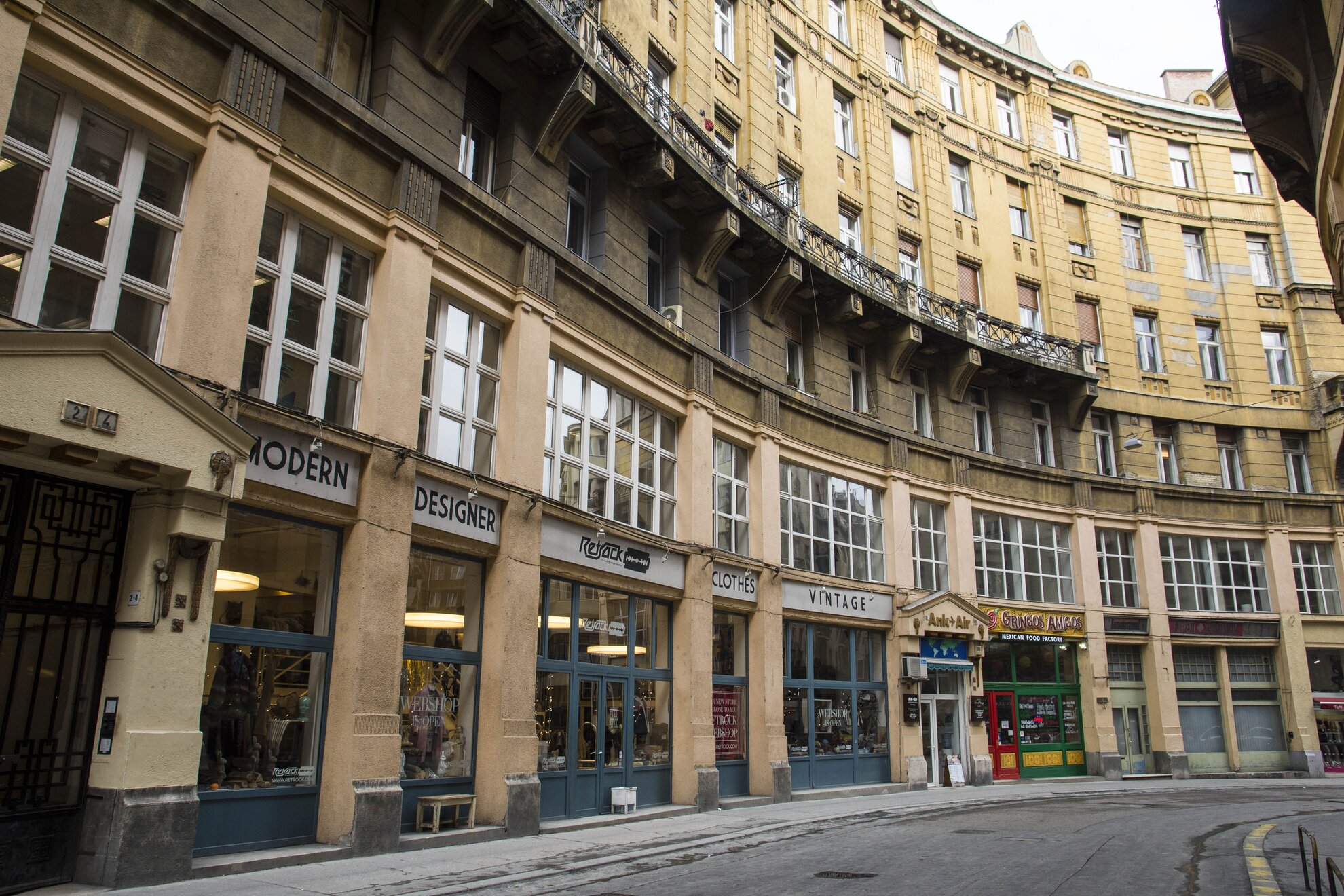
It’s not so hard to define what a köz is – stroll through graceful
Anker köz serving bustling Király utca and you’ll get the picture – but as a
word, it is tricky to translate. ‘Mews’
would be one English rendition, but that’s something rather specific to the
more exclusive parts of London. ‘Lane’ feels medieval.
A köz, intertwined with the Hungarian word for ‘between’ or ‘among’,
provides convenience and a change of mood – many locals have their favourite.
An ‘alley’ would be nearer the mark, although the classic Budapest köz is more secretive than sinister.
Starting with picturesque Anker köz and heading all the way up to Haránt köz hidden amid the Buda hills, we cross Budapest to compile a selection of a dozen alleys worth exploring.
Anker köz
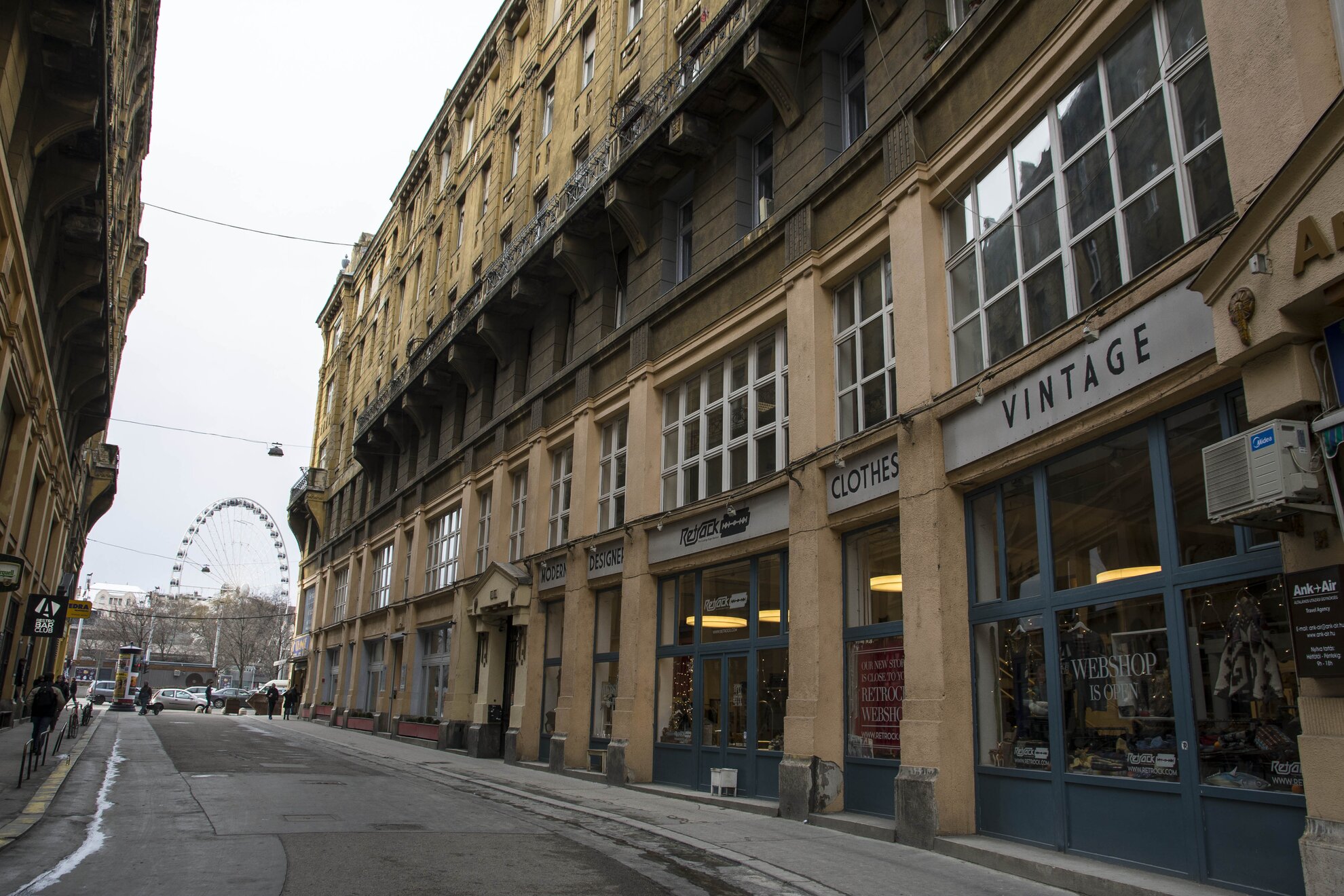
The main feature of this downtown köz
is that the whole thing is a huge curve that connects Bajcsy-Zsilinszky út with
Király utca. If we enter from the former, it feels especially refreshing to
cycle into Anker köz, into the middle of the bend.
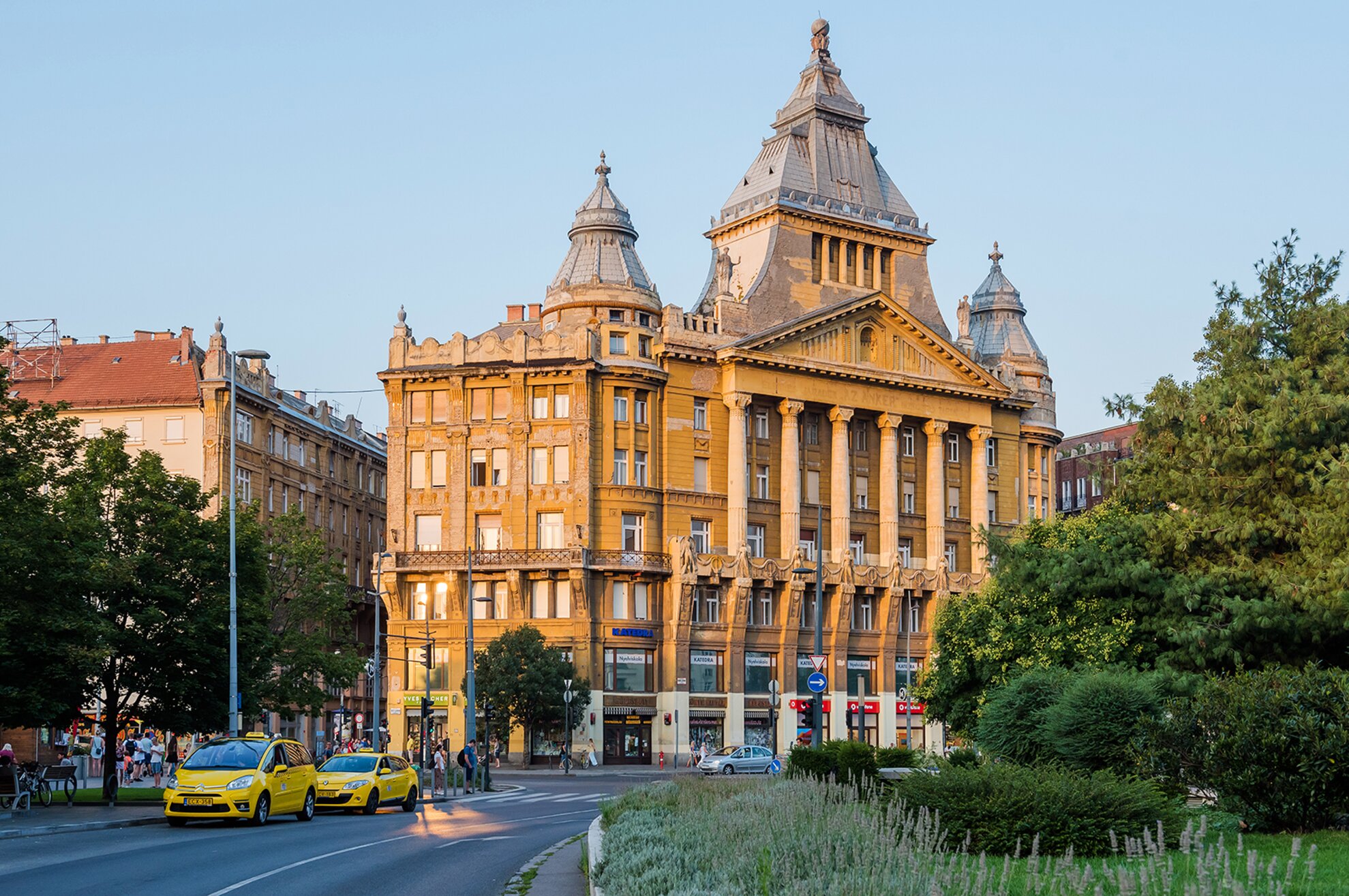
The grand building standing guard
at its gateway, Anker Palace, lends the alley its name. Towards this end
stands MADHOUSE, signature outlet for Budapest brewers Mad Scientist; towards the other, Gyertyánffy House, an Anker Courtyard plaque on its façade,
Budapest’s first apartment block, residents listed on the doorway.
Anker köz was indeed, intended to be a covered courtyard, but was eventually built as an open space at the suggestion of architect Ignác Alpár. The most famous resident of Anker köz was revered comedian Géza Hofi.
Haris köz
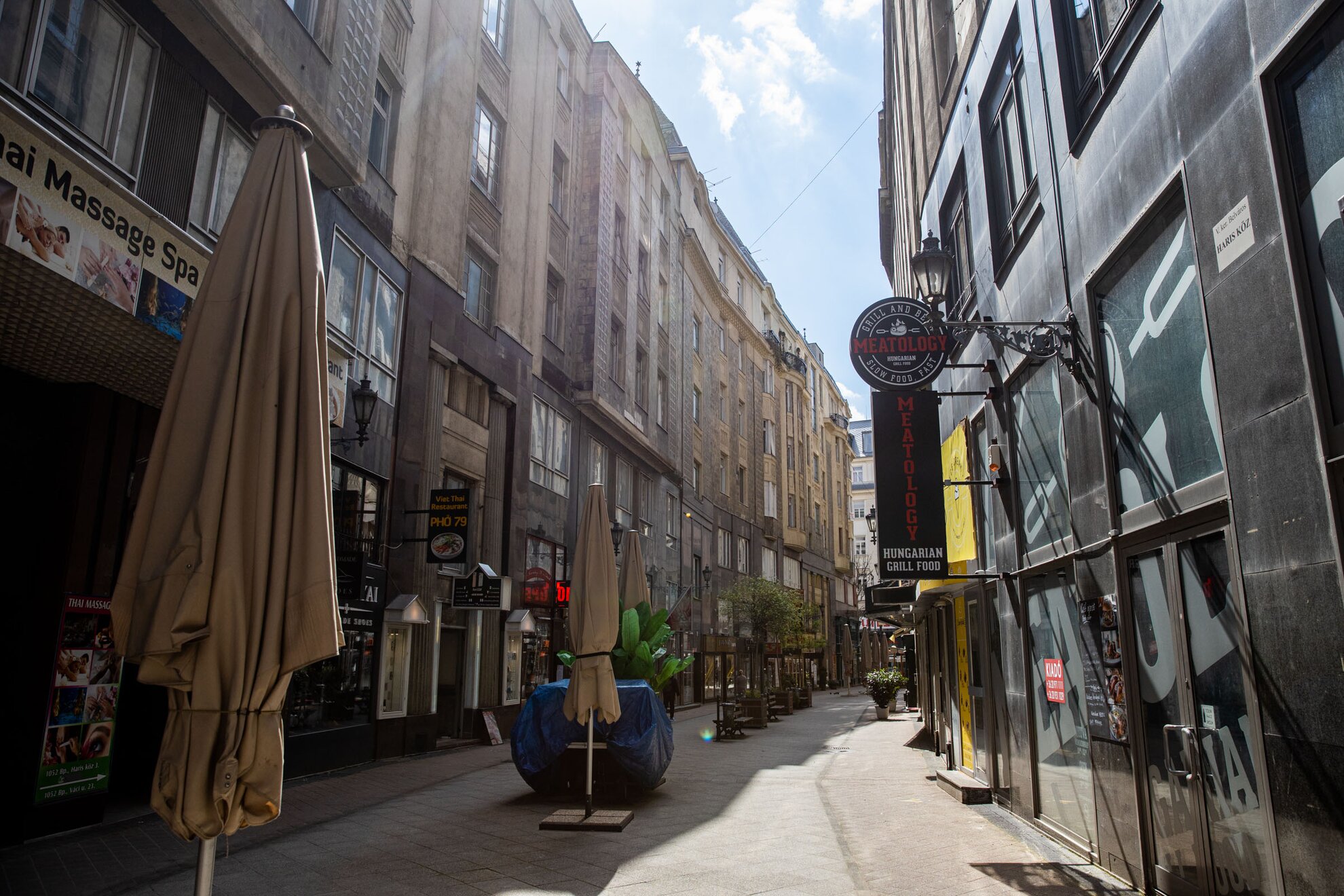
Downtown Haris köz, which connects Váci utca with Petőfi Sándor utca, has
been pedestrianised since the early 1980s, but only since the early 1950s has
it been designated a köz.
For decades beforehand, it was a private street owned
by the eponymous Haris family of Greek ancestry. They built the eclectic-style,
covered gateway house, Haris bazár, that stood here before and was knocked
down to make room for Haris köz in 1910.
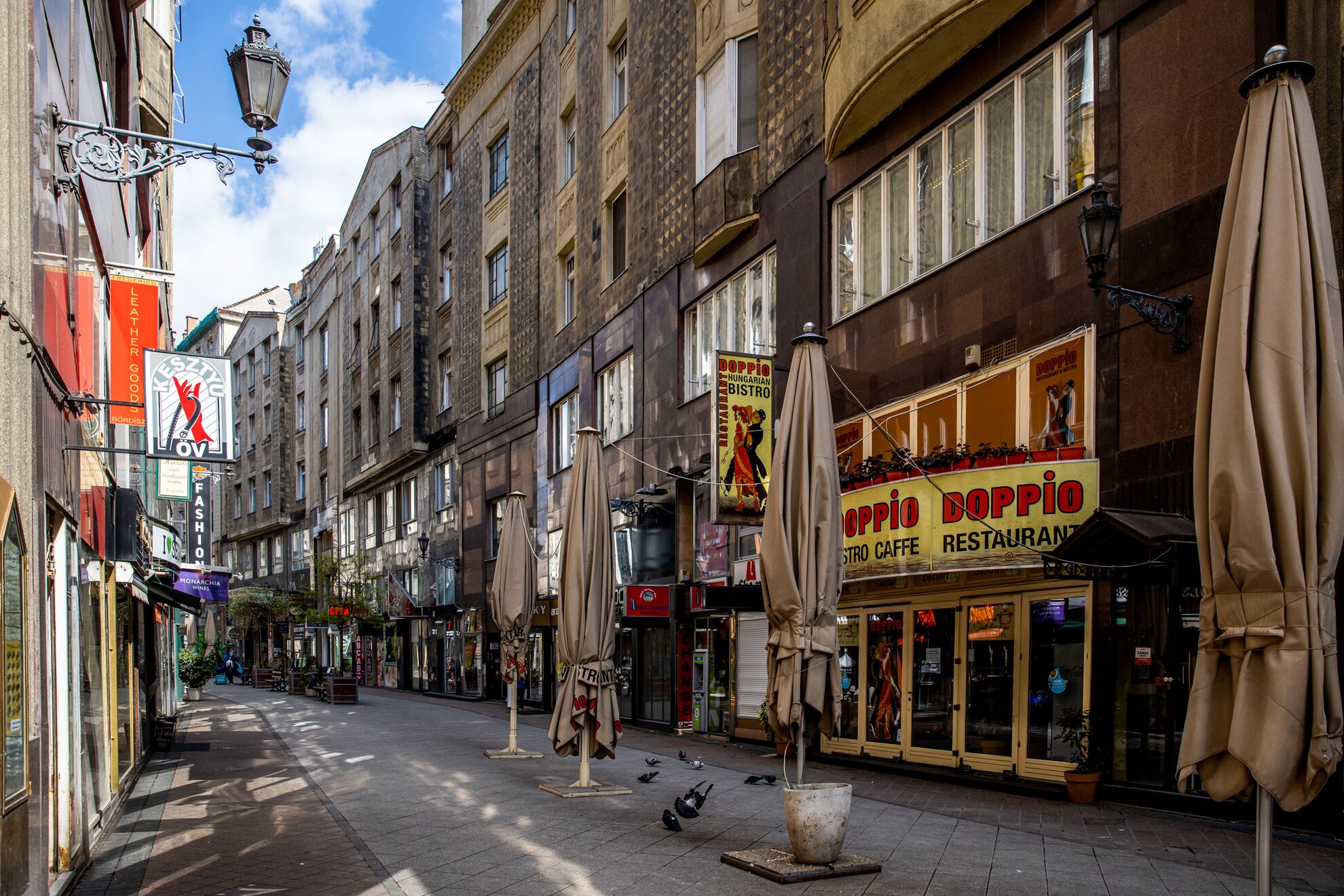
It soon attracted the artistic fraternity, composer Zoltán Kodály and writer Frigyes Karinthy drawn to the studio of photographer Irén Werner. There was the free art school Művészház, founded by József Rippl-Rónai, Károly Kernstok, János Vaszary and Márk Vedres. At the same time, a prestigious gallery was also operating.
Pilvax köz
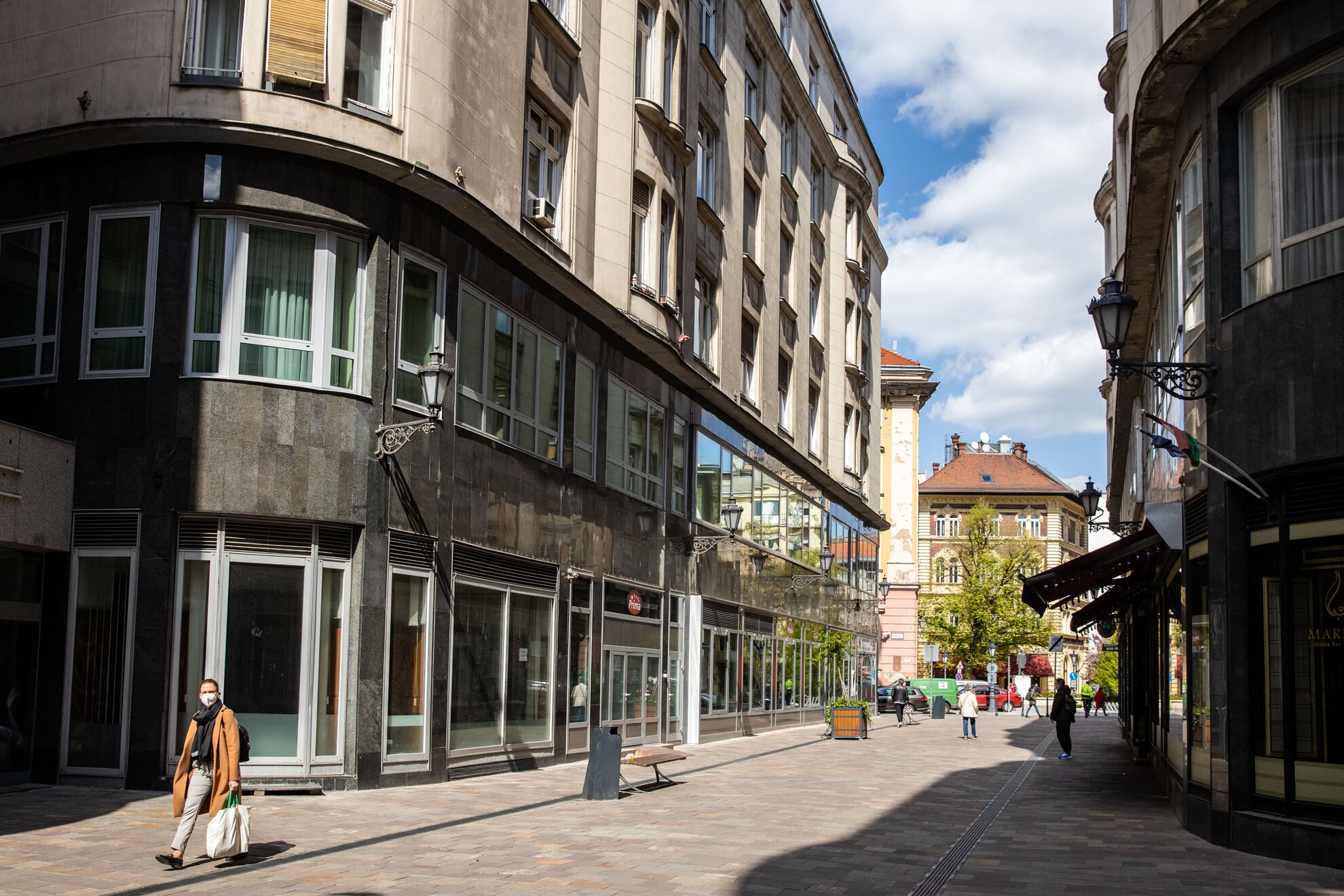
Pilvax köz is slightly shorter than Haris, whose continuation connects Petőfi Sándor utca with Városház utca. It is not difficult to guess how it got its name: here various houses, including one at the bottom where the famous café operated, where Petőfi met his fellow freedom fighters before his revolutionary declaration in 1848.
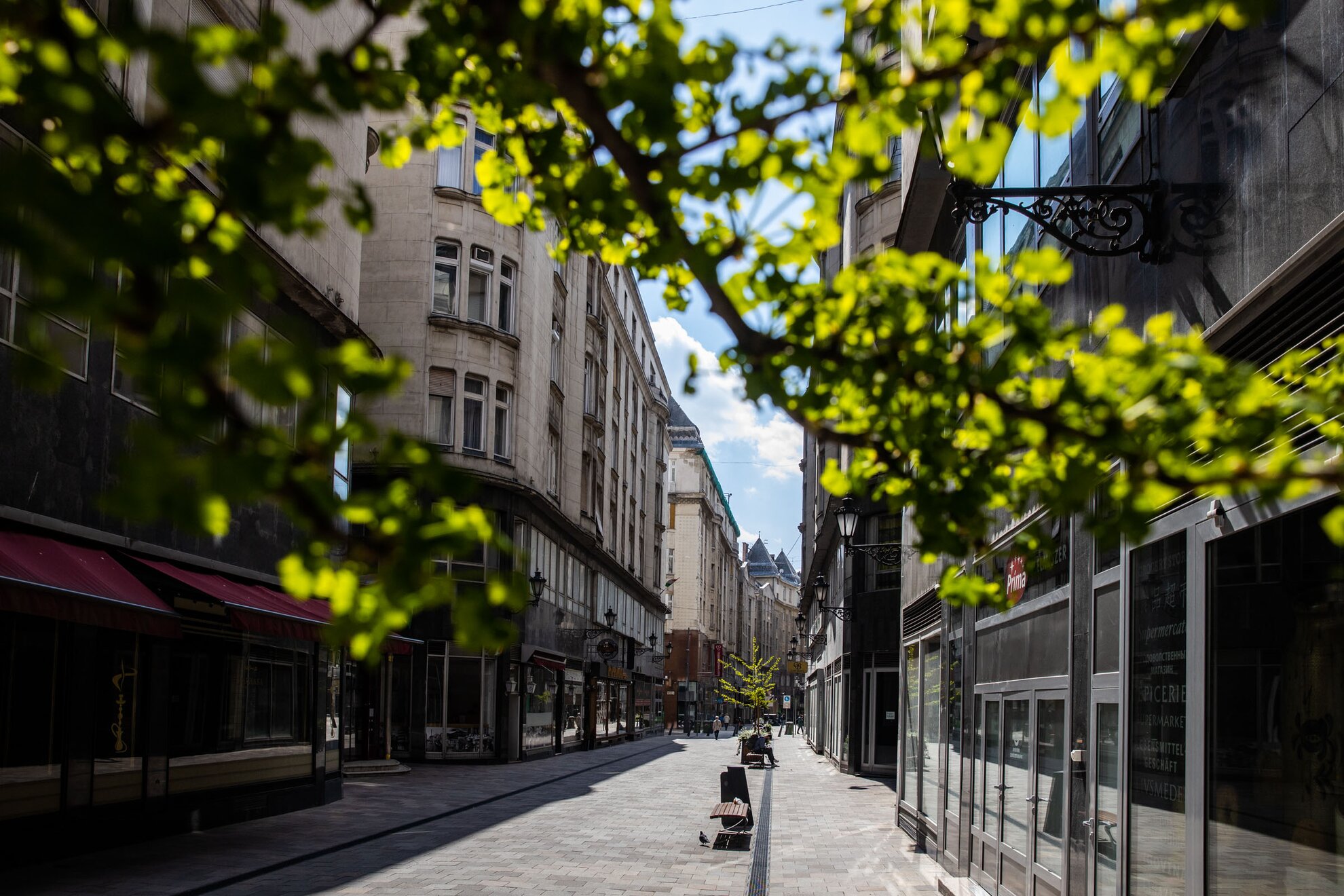
The building was sold in 1910, then demolished a year later, when the köz was created. Today, a plaque indicates that this was once the spot where history took place.
Piarista köz
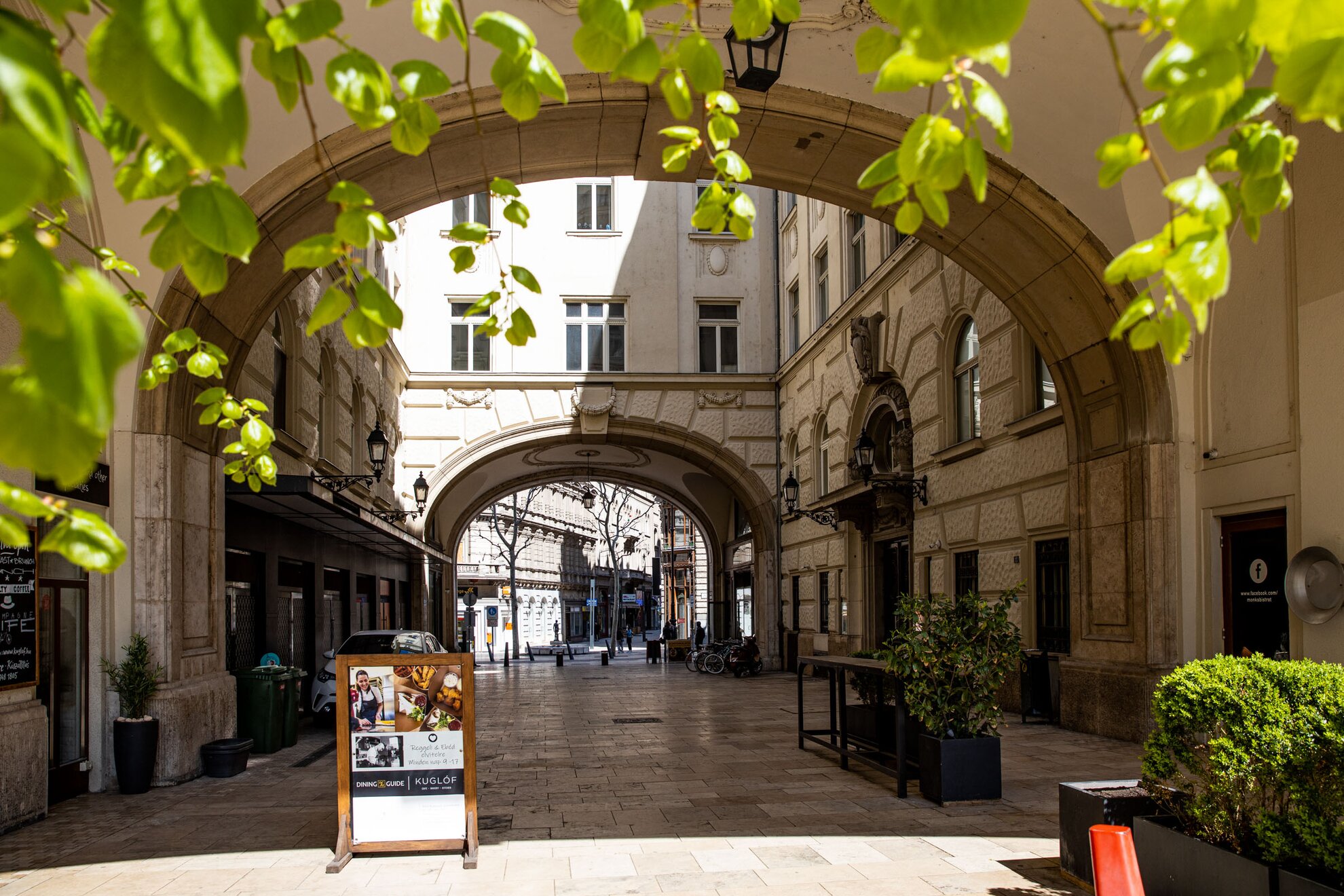
Another city-centre alley is Piarista köz, unusual in that the street of the same name running alongside it is actually shorter. In terms of width, of course, the street wins, but there’s not much in it. Both thoroughfares start from focal Váci utca.
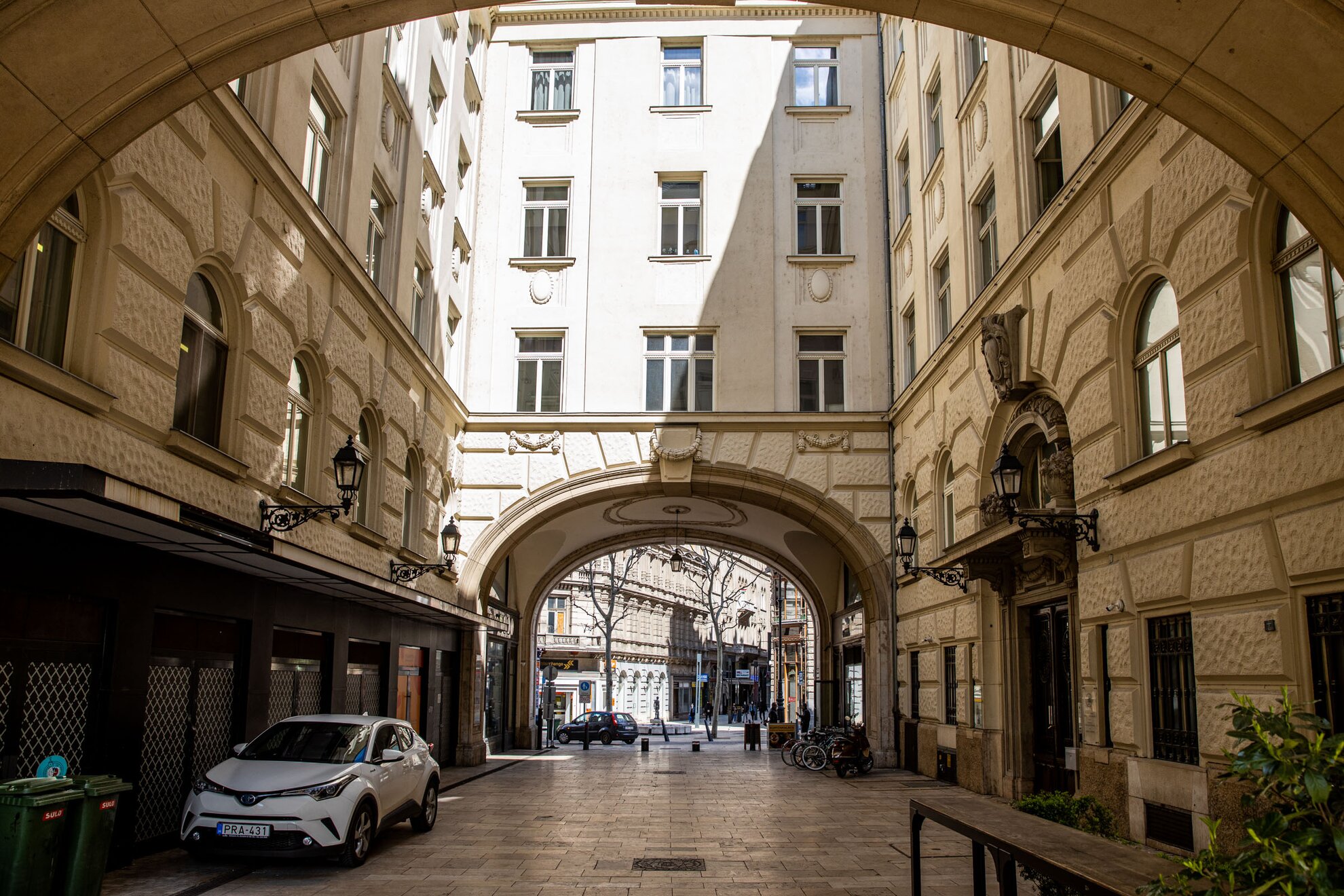
Entering Piarista köz is easy, thanks to the fact that its top section runs under the arcades of the Piarist High School, and then it suddenly opens up as it reaches a large, wide square. It's a real tourist attraction, and great for cyclists.
Corvin köz
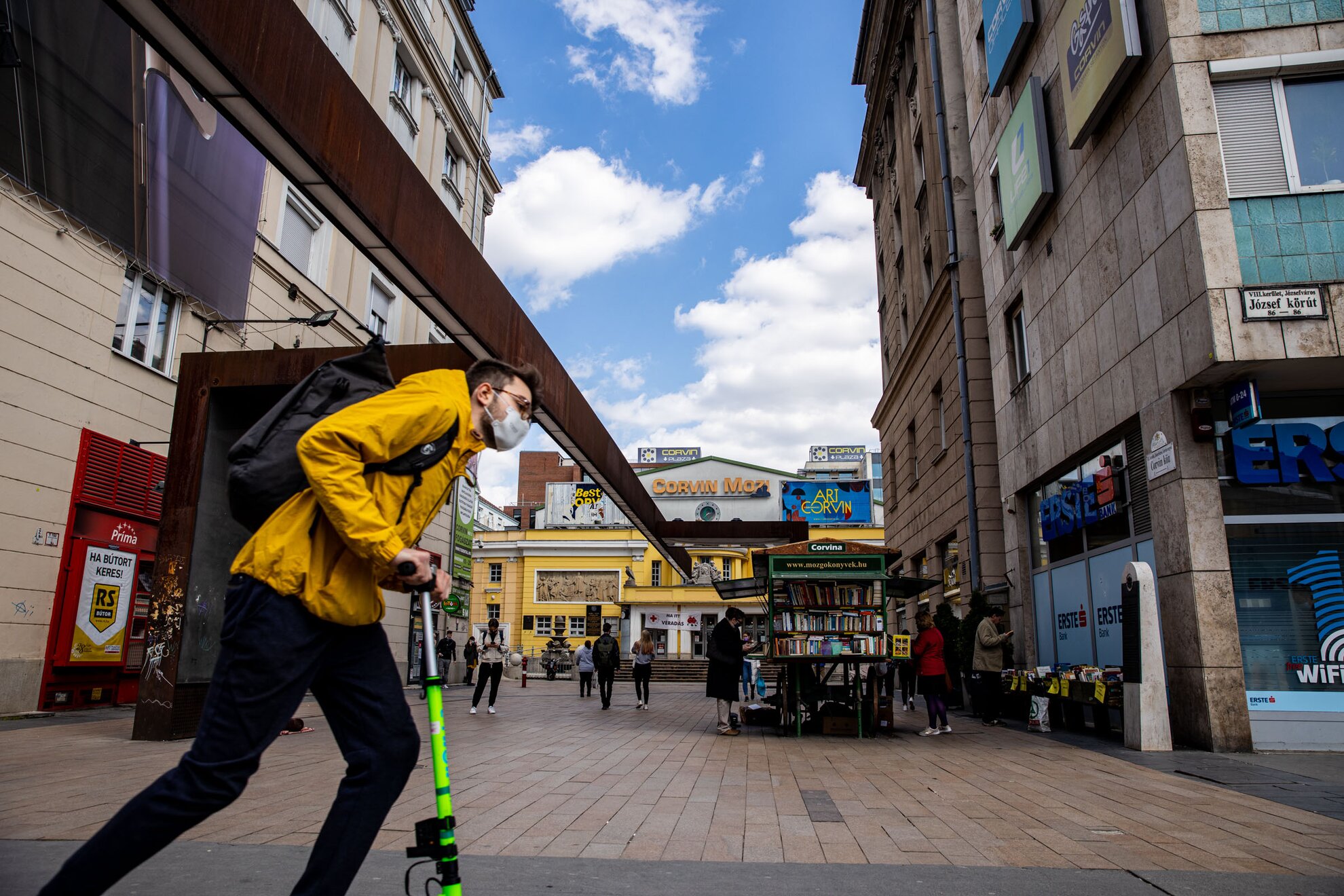
Speaking of historic sites, Corvin köz in District VIII should not be ignored considering its vital role during the 1956 Revolution, where this was the longest-lasting point of resistance in the city. However, the unique character of Corvin köz lies not only in history but also in its form, a wine-glass shape.
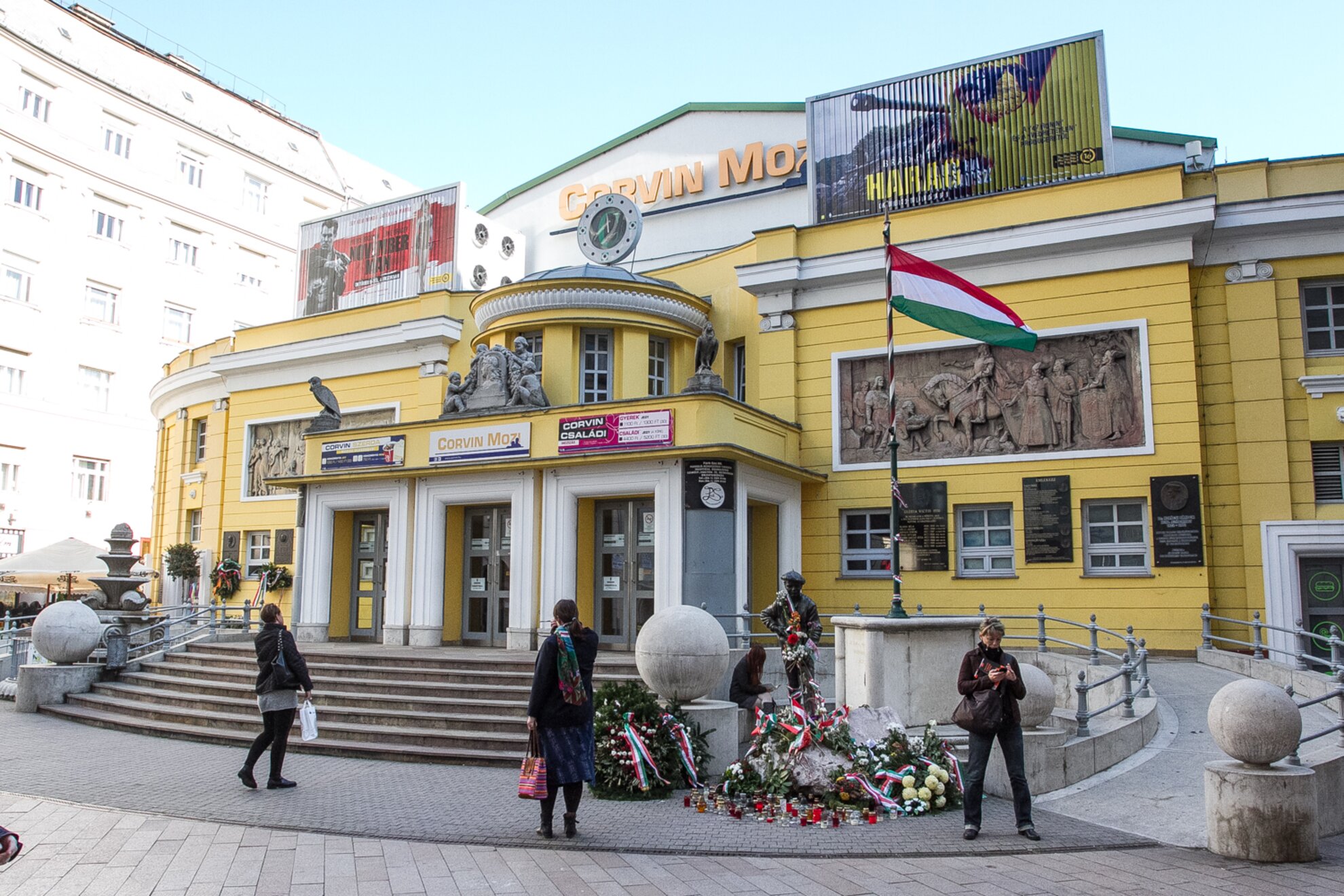
It has three exits: two ends of the section surrounding the Corvin cinema feed into Kisfaludy utca, while a short and straight section in front of the cinema entrance runs into Ferenc körút.
Cserei köz
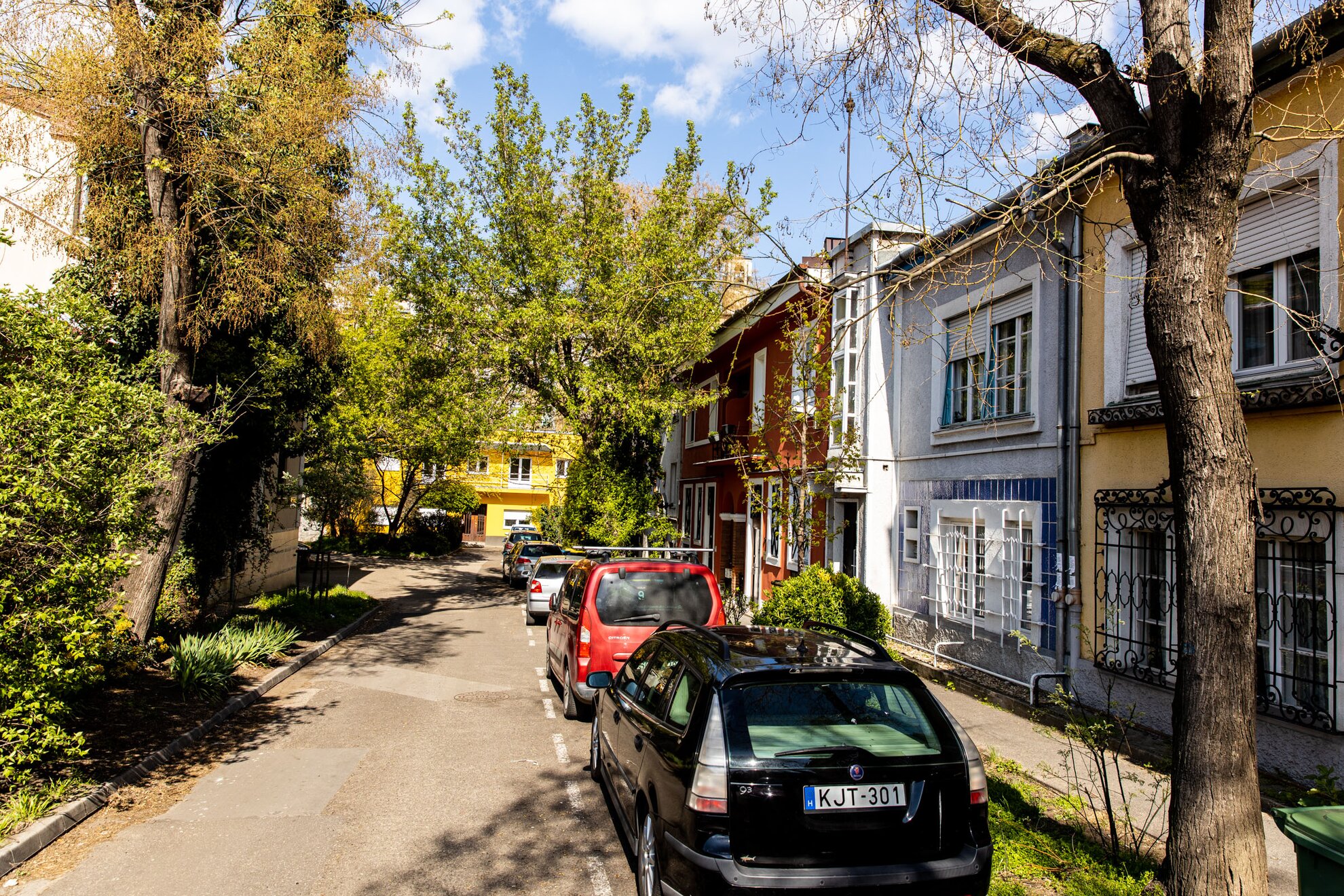
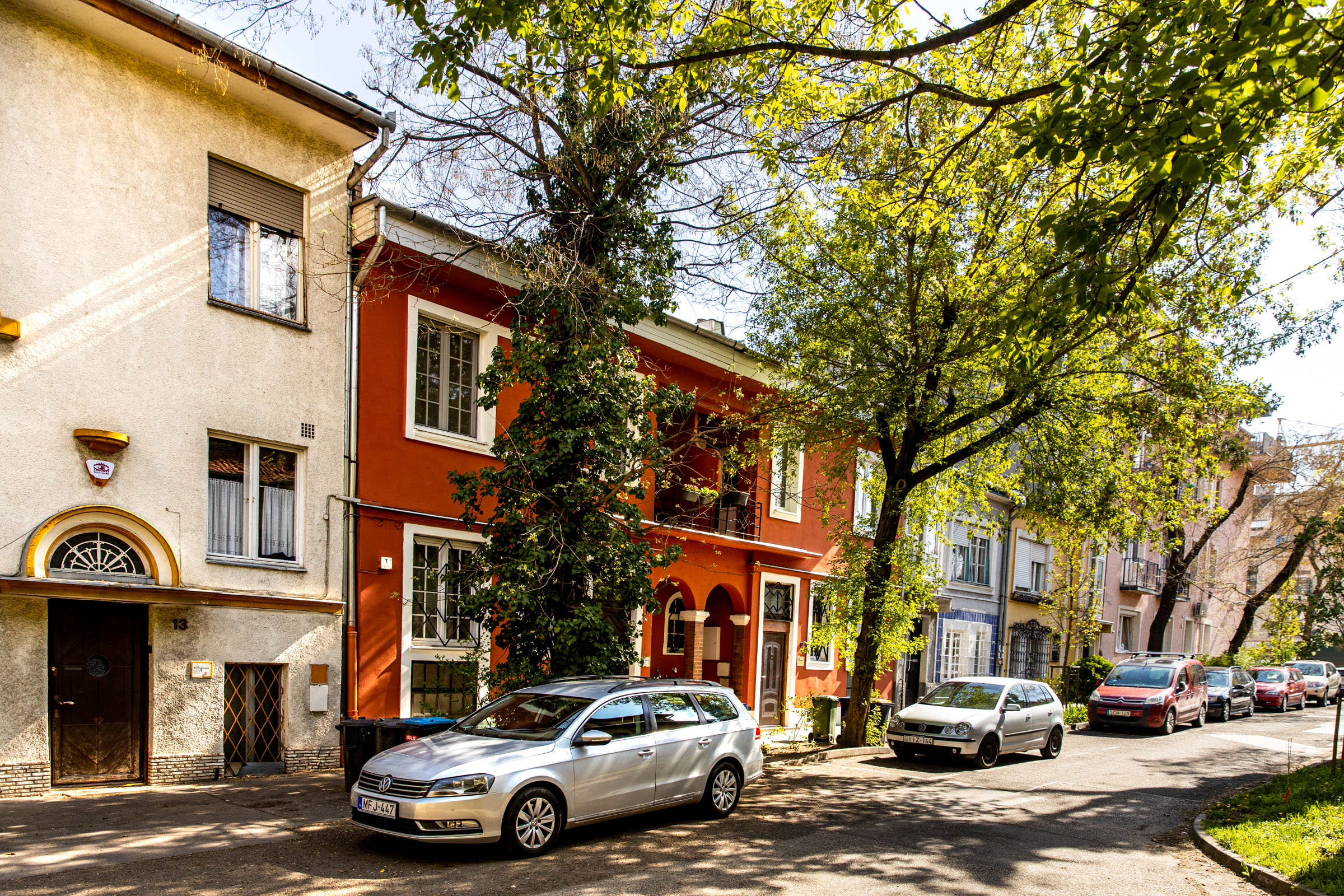
One of the hidden wonders of Zugló is this lovely köz, which opens from Gizella utca, but does not run into Hungária körút, because it is a dead end. This is a real favourite among Budapest’s alleys, its colourful residential houses bringing to mind Amsterdam.
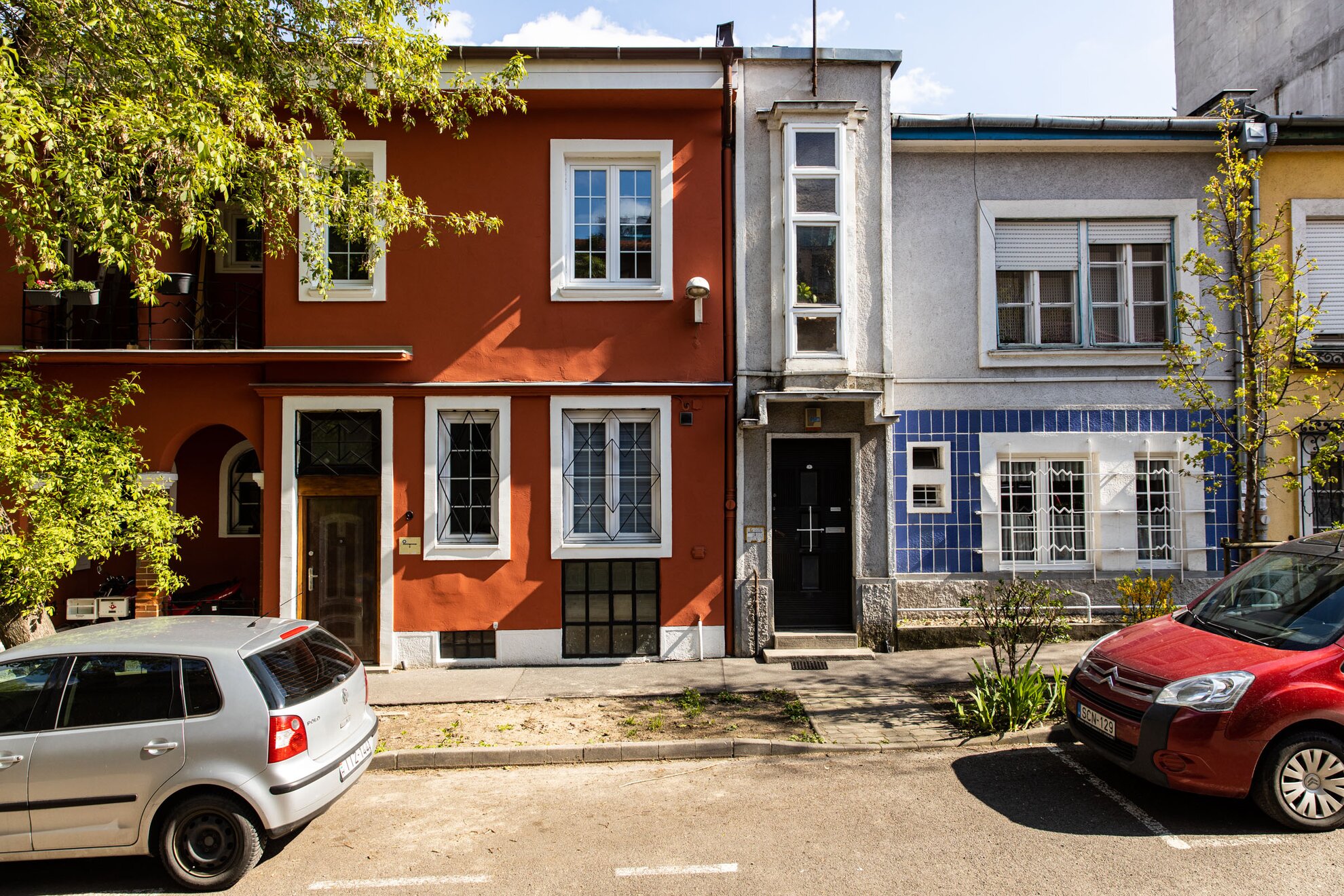
While Cserei köz has nothing to do with the Dutch city, it was part of a plan to build semi-detached and terraced houses in the area, following the English model. Construction then stopped for several reasons: the builder died, then one of the designers, before money ran out and finally the war.
But even though nothing became of it, what remains, today’s Cserei köz, is magnificent in its bright tones, exuding a spring-like atmosphere even in the depths of winter.
Vasbakter köz
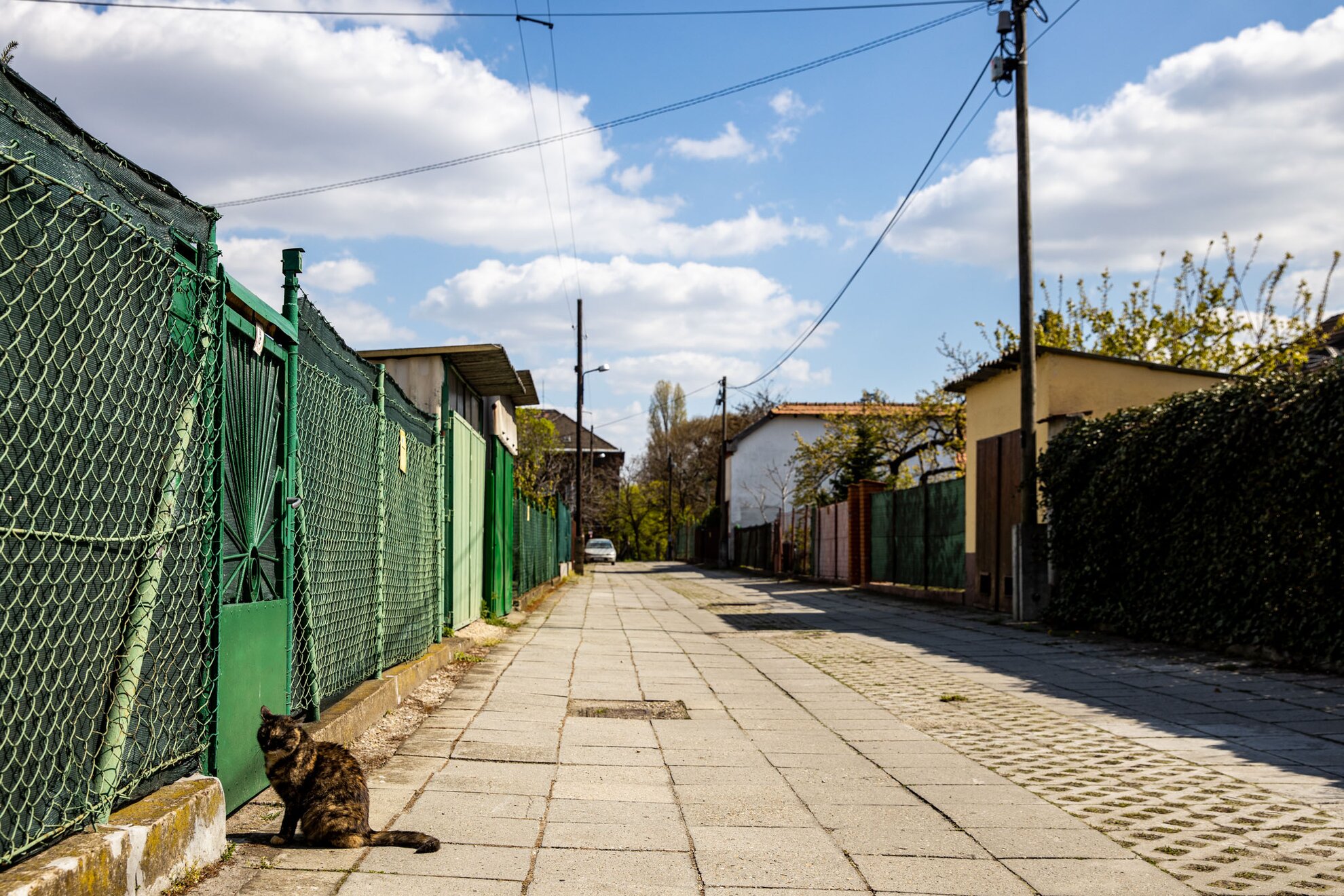
Near Ferencváros football stadium, across Könyves Kálmán körút and the
railway tracks, is this small, cosy, mostly residential thoroughfare with a
garden, bordered by Zombori utca, Gyáli út and Szerkocsi utca.
Overseeing the whole
scene is the Ferencváros water tower. This small community actually consists of
a total of six short alleys running equally parallel to each other – we chose Vasbakter
köz only because it has the best name (and old local word for railway crossing).
But there are also Váltó (‘Gearbox’) köz, Szemafor (‘Semaphore’) köz, Töltés (‘Charging’) köz, Szerelvény (‘Assembly’) and Víztorony (‘Water Tower’) köz. This was almost certainly once a hub of small trades, and today is an island of modest, almost rural, peace, surrounded by the din of industry, trains and city traffic beyond.
Donáti köz
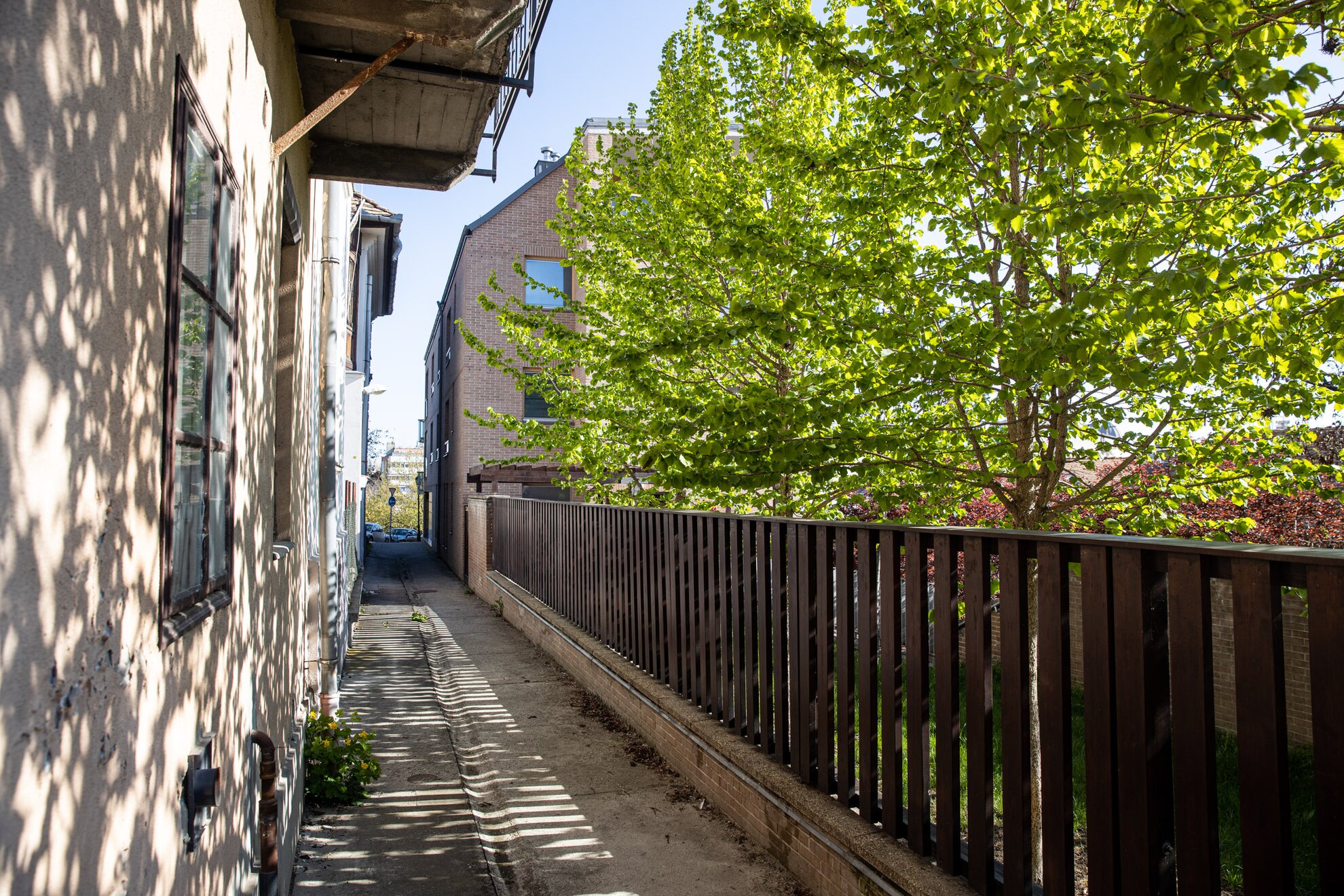
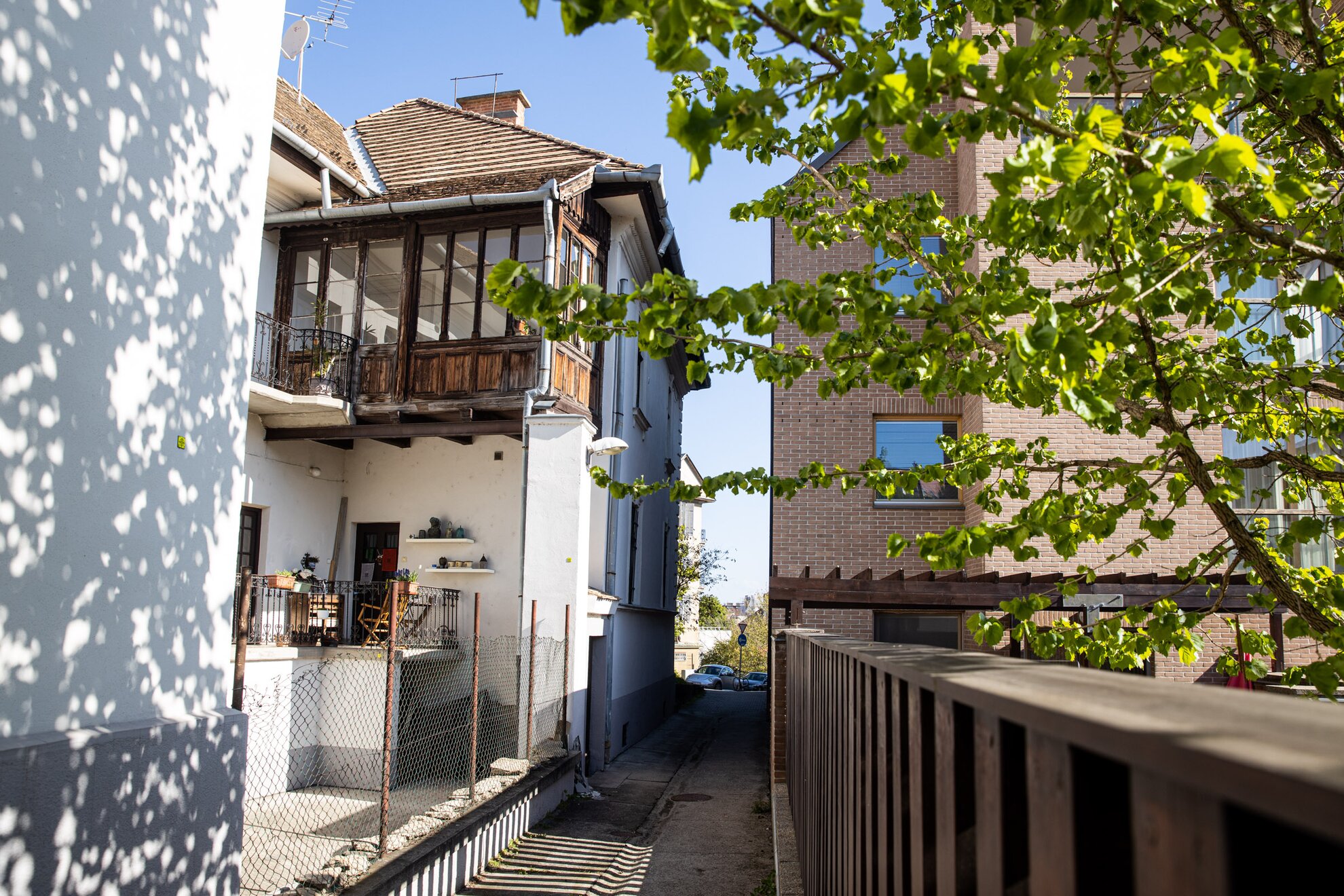
Over in District I in Buda, Donáti köz is rather a
sad story. It no longer exists. Although maps show a Donáti köz parallel to Donáti
utca, it’s now just a narrow corridor between the houses. That's all that’s
left of it, a little stump of street with no two ends.
Once upon a time, in the
first half of the 1900s, there was a well-known brothel here, where local
husbands escaped the confines of family life. That is why Donáti had the
nickname of Csaló (‘Cheating’) köz.
Its actual namesake was a holy man: the early Christian bishop Donatus of Muenstereifel, who was stationed in Pannonia as a Roman soldier and died a martyr. He was otherwise the patron saint of viticulture because he was said to have been warded off lightning and thunderstorms, ancient enemies of the winegrower.
Sándy Gyula köz
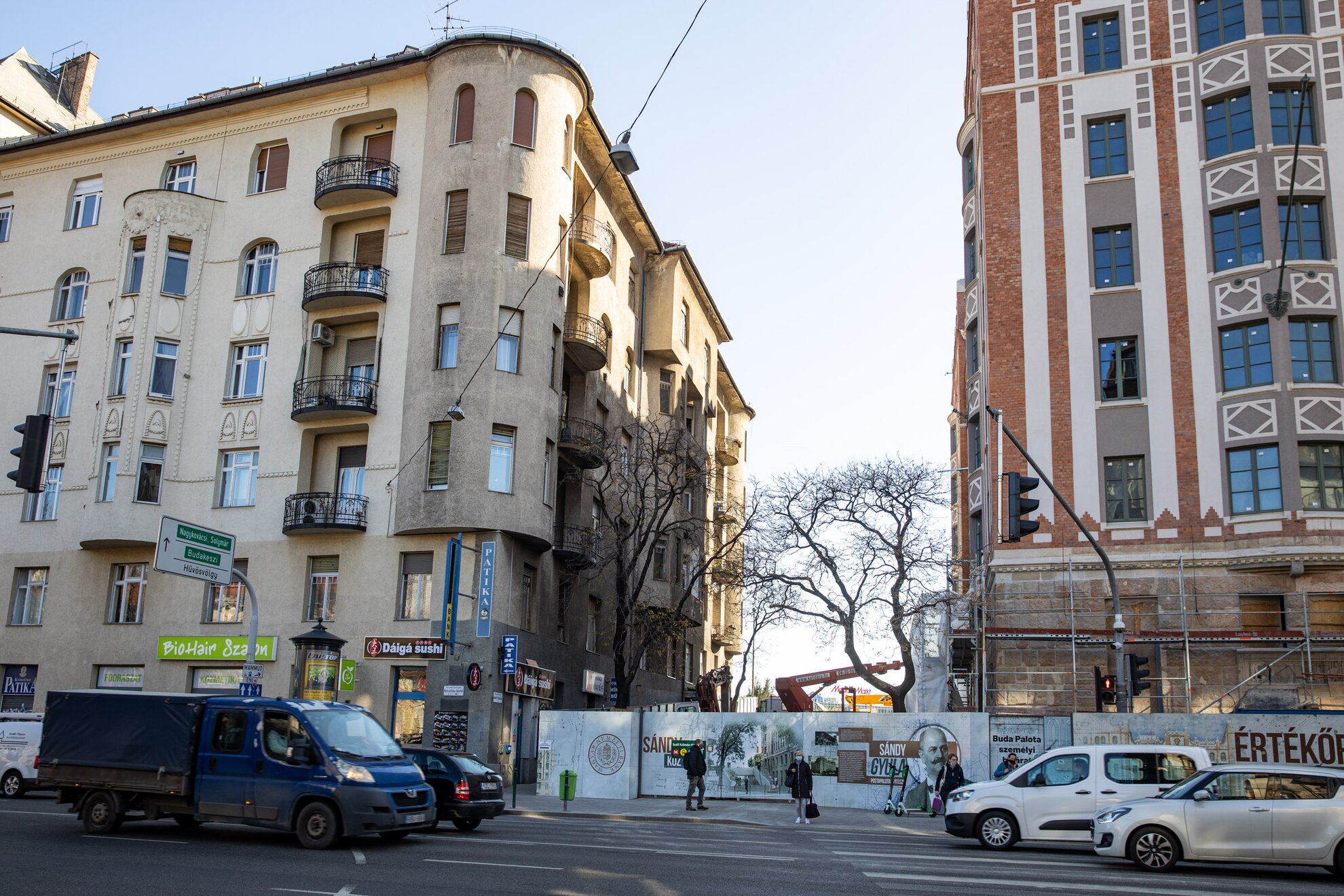
This uncharacteristic köz runs above Széll Kálmán tér, so short that by the time you realise you’ve entered it, you’ve already left it. It’s also very wide compared to its brevity, almost like a regular street. It is no coincidence that the köz connecting Várfok utca with Krisztina körút once started opposite Csaba utca.
But after the bus terminals were relocated and cars were banned, it was separated from Csaba utca. It was named after the architect Gyula Sándy, whose most famous work is the nearby Postapalota, which is currently being renovated.
Koronaőr köz
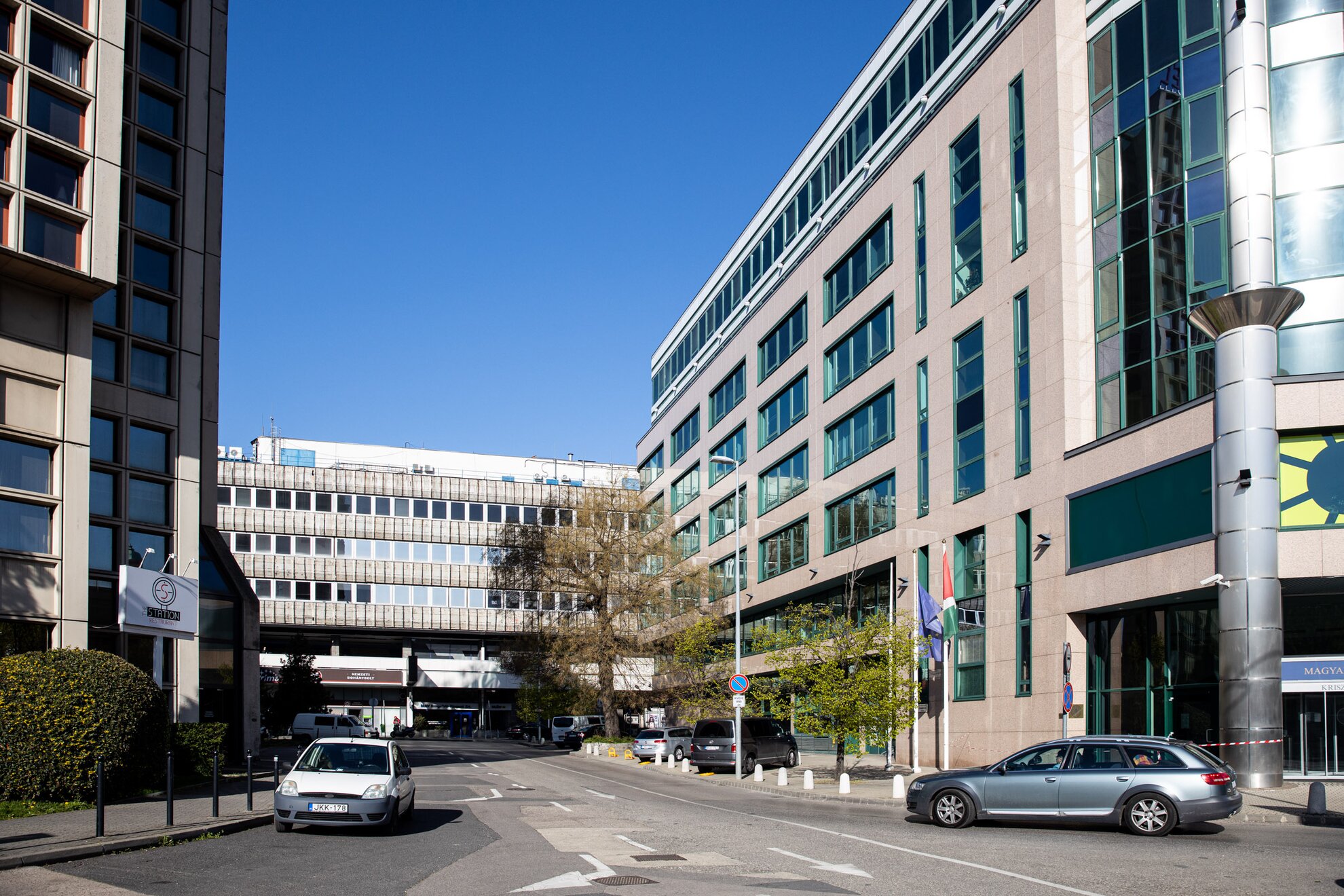
Perpendicular to the urban park of Vérmező in Buda, Koronaőr köz connects Krisztina körút with Kosciuszkó Tádé utca, perhaps the best example of a Budapest alley not being picturesque. Although it promises something special in its name (‘Crown Guard Alley’), it only acts as a conduit between the two streets mentioned and, moreover, primarily by car.
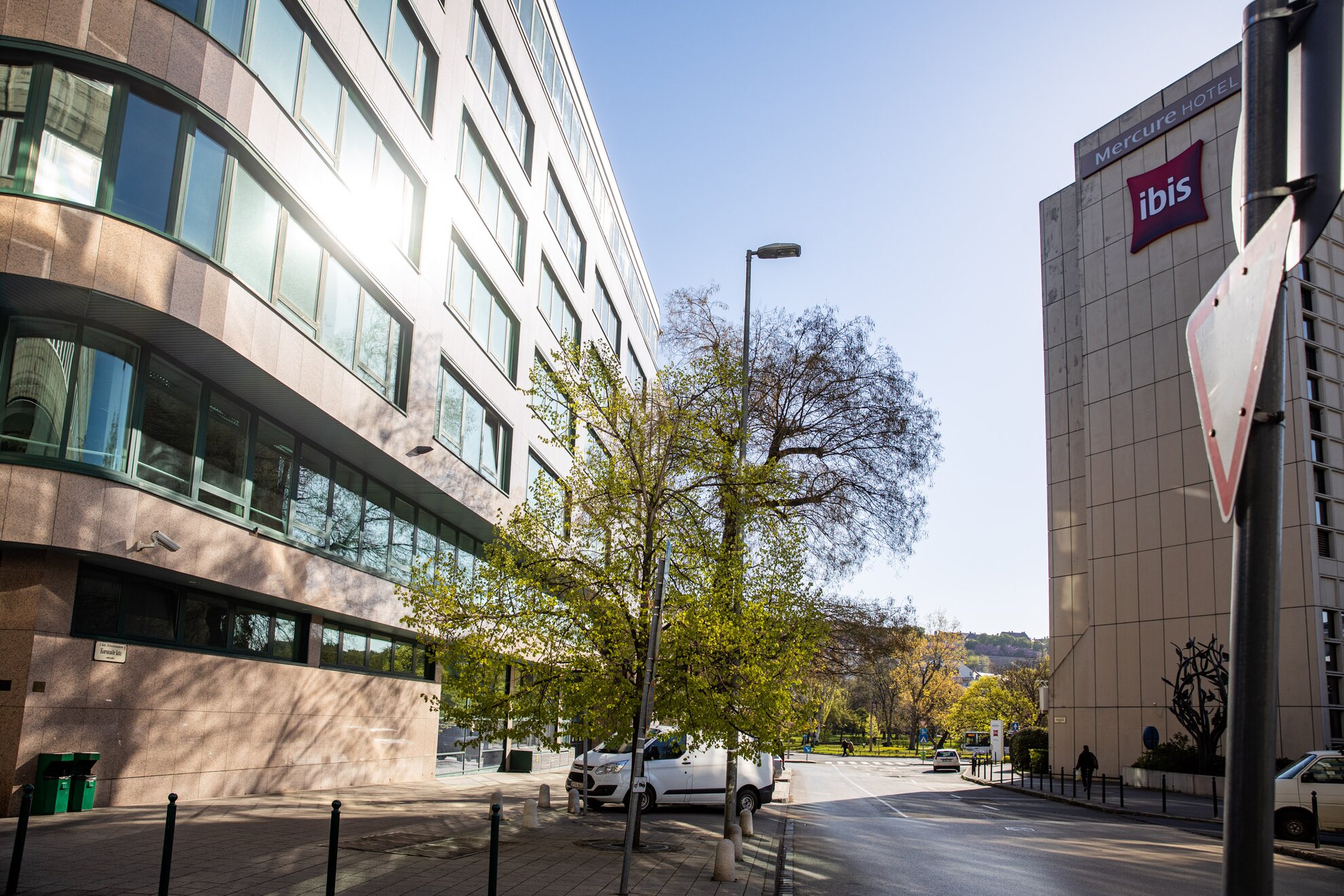
It’s also an insignificant, almost imperceptible dividing line between the Krisztina Plaza business centre and Mercure Budapest Castle Hill hotel. Noisy, busy and uninviting, its big advantage is to provide access to the welcome greenery of Vérmező.
Pethényi köz
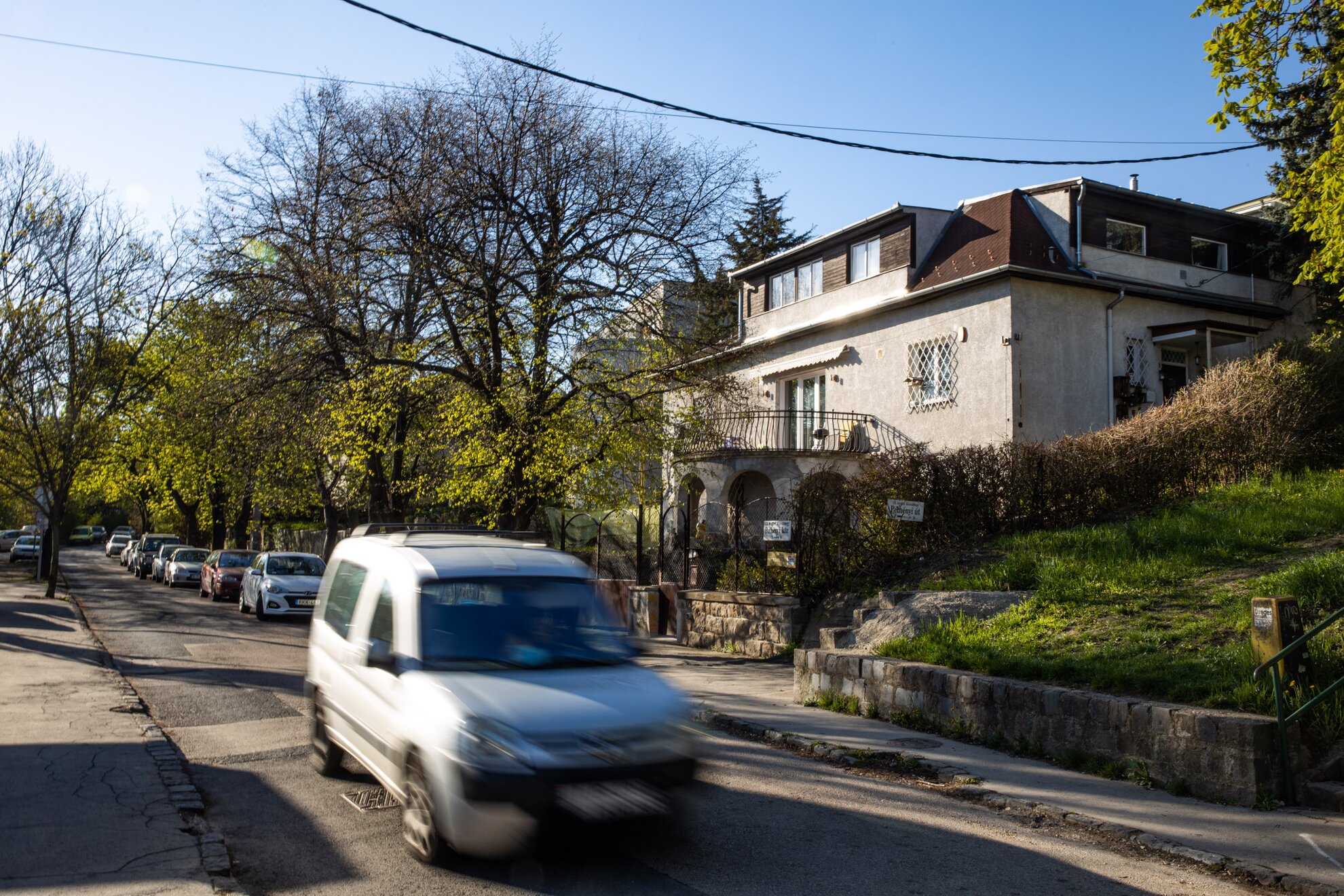
Another exception to the rule lies in otherwise bucolic Buda District XII. Pethényi köz on Sváb Hill is quite long, with cars running along it. It connects Fogaskerekű (‘Cogwheel’) utca (starting specifically beside the Cogwheel Railway) with Határőr (‘Border Guard’) út. Looking at the map, it may seem as if these three are just one winding, long street.
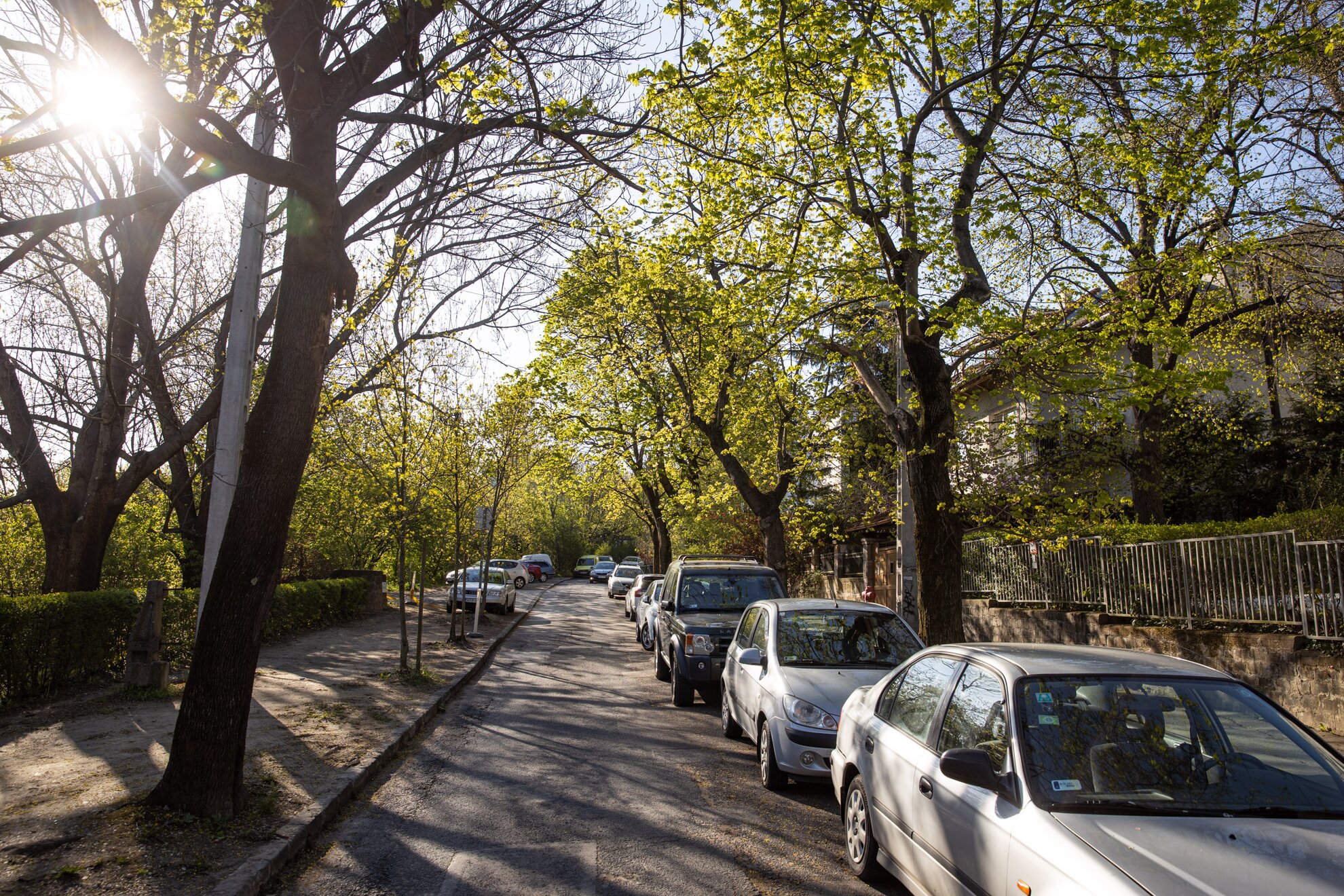
The köz got its name from János Salamon Pethényi, a prominent naturalist and the founder of Hungarian ornithology. He is little known because he died young, abandoning a mass of work, which was then taken up by Ottó Herman. Nearby, you’ll therefore find an Ottó Herman út, utca, school and playground.
Haránt köz
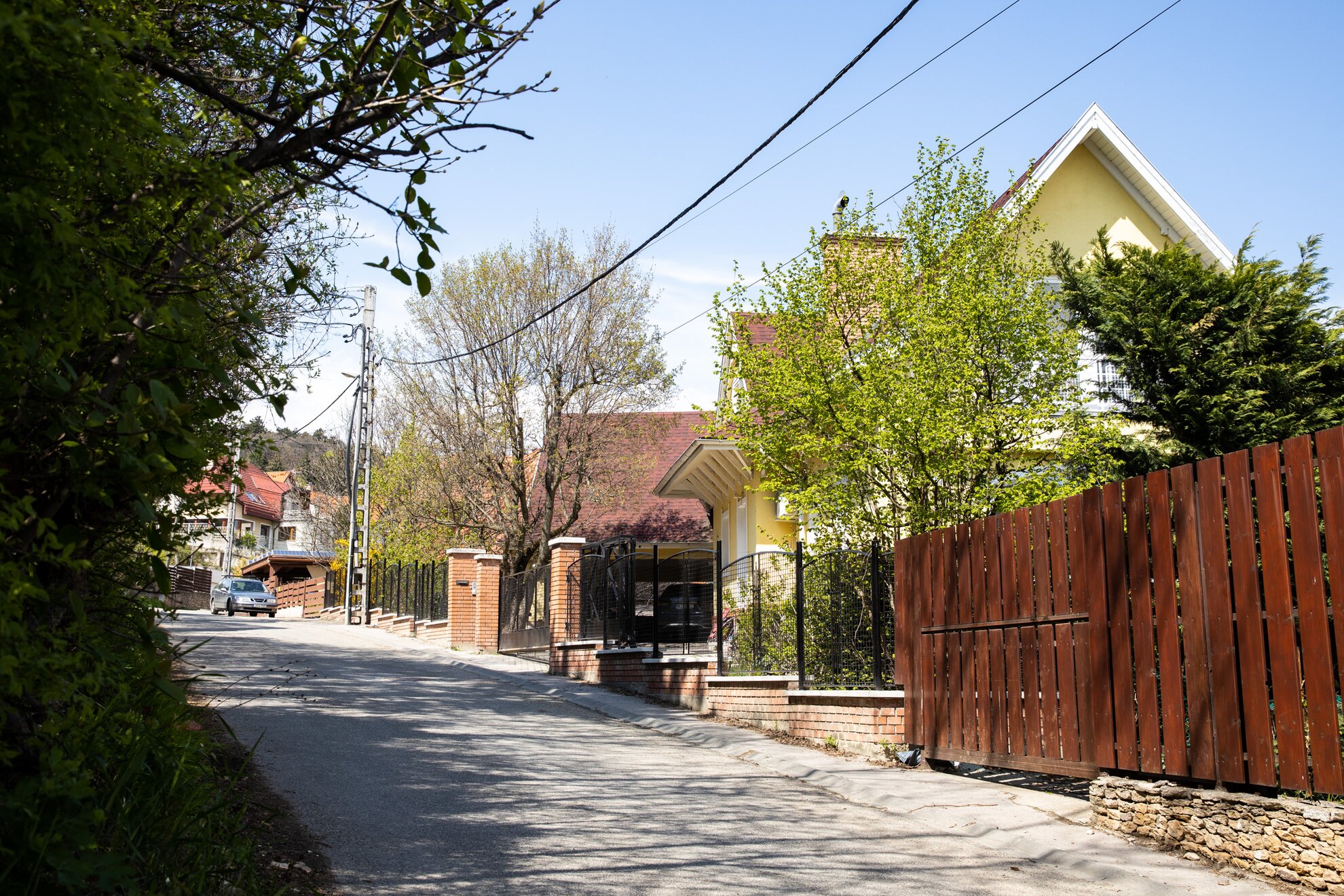
Up in a quieter, greener part of Óbuda, District III, at the top of Remetehegy (‘Hermit Hill’), you find quite long, twisting köz, bordered by garden houses and large, dense trees. There’s even a Széltető (‘Winding’) köz nearby.
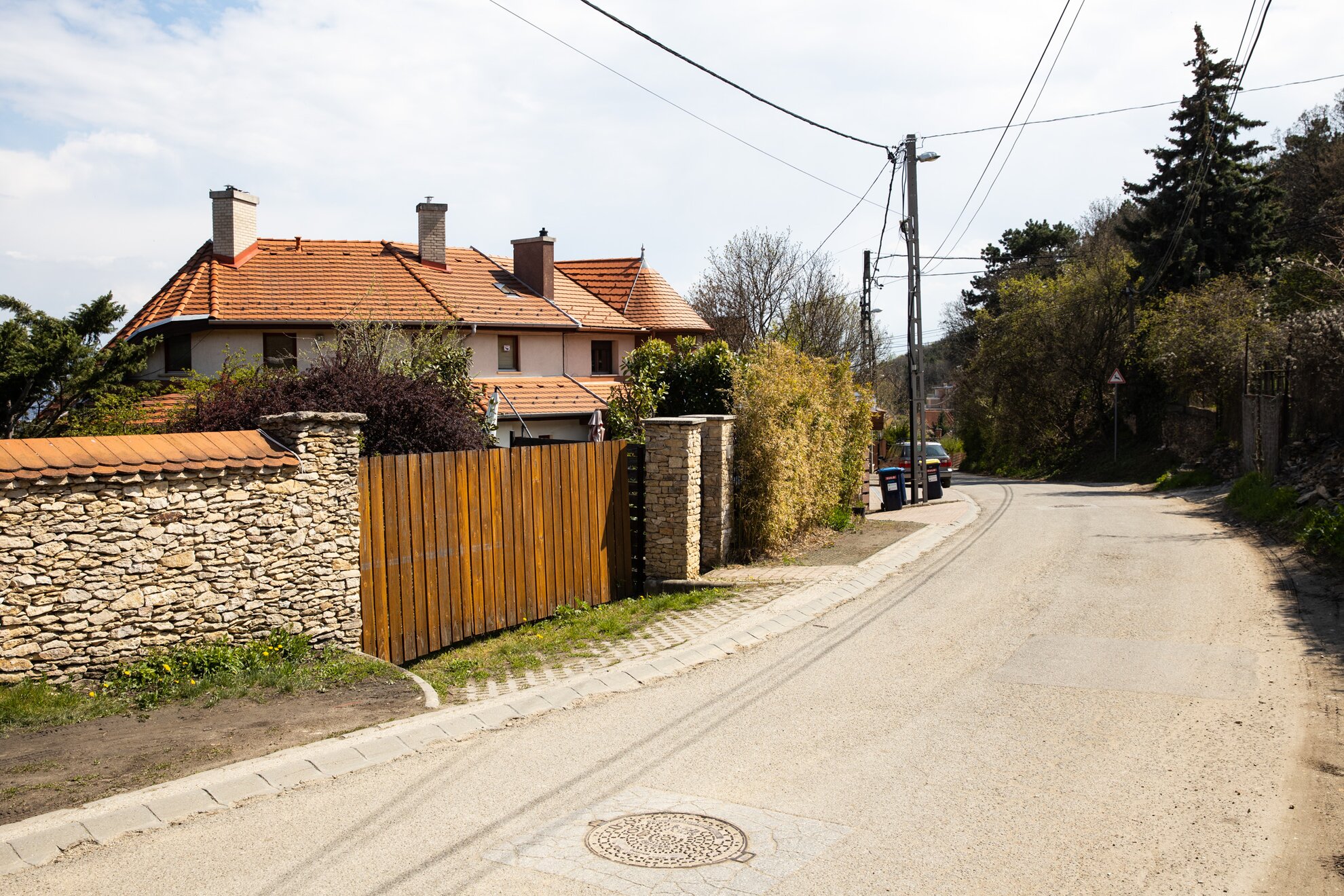
Here, towards the northern fringes of Budapest, Haránt köz provides the odd panoramic view of the city. Covered in concrete to provide a smooth walk – otherwise it would be very wobbly indeed – this still feels like a path winding obliquely up a hillside.
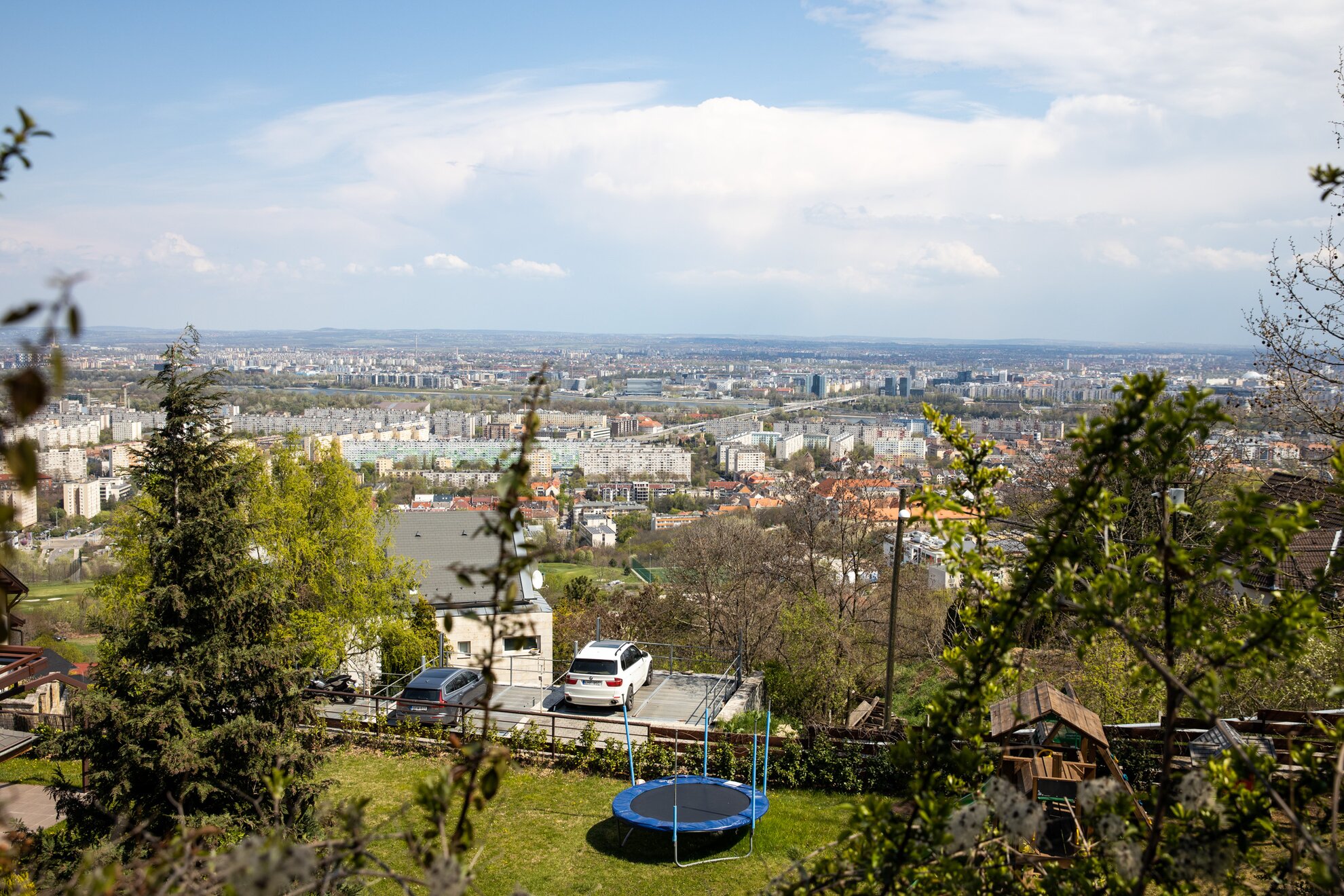
As you’re already in a garden city, Haránt köz, despite the occasional car, is probably the best choice of alley for a stroll close to nature.

Megjelent első bookazine-unk, ne maradj le róla!
Már 15 éve lélegzünk összhangban a fővárossal. Jubileumi kiadványunkban mindent megtalálsz, ami magazinunk és eddigi munkánk esszenciája. Gasztronómia, kultúra, városi legendák és Budapest arcai, interjúk, történetek és a legjobb helyek – úgy, ahogyan mi látjuk a fővárost.
Rendeld meg itt vagy keresd a nagyobb könyvesboltokban!
hirdetés


