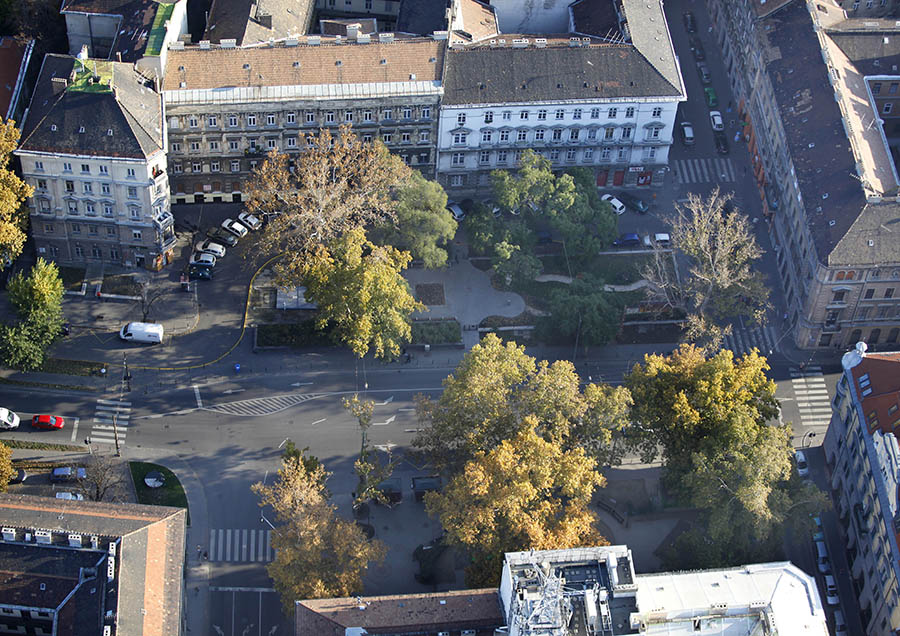

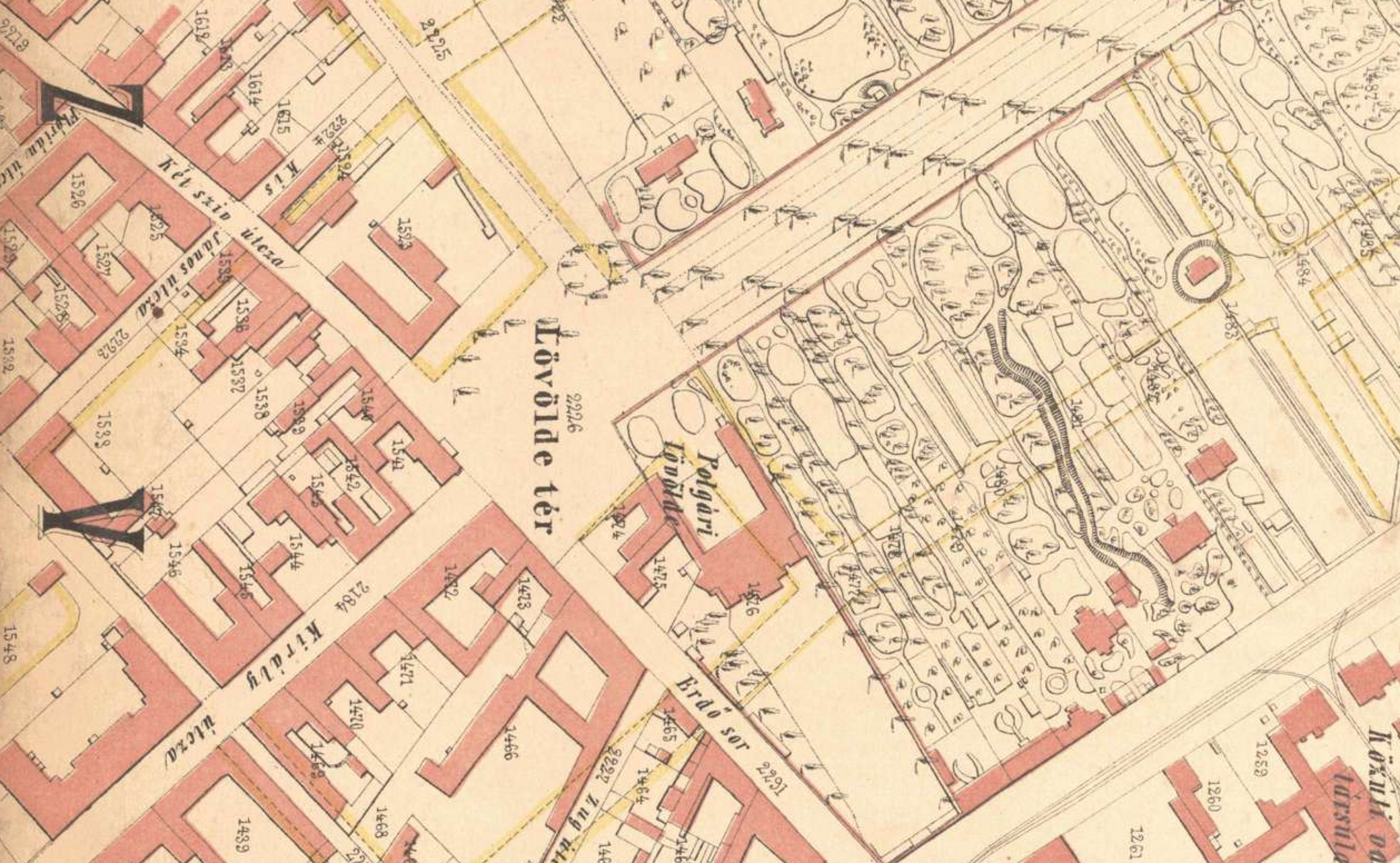
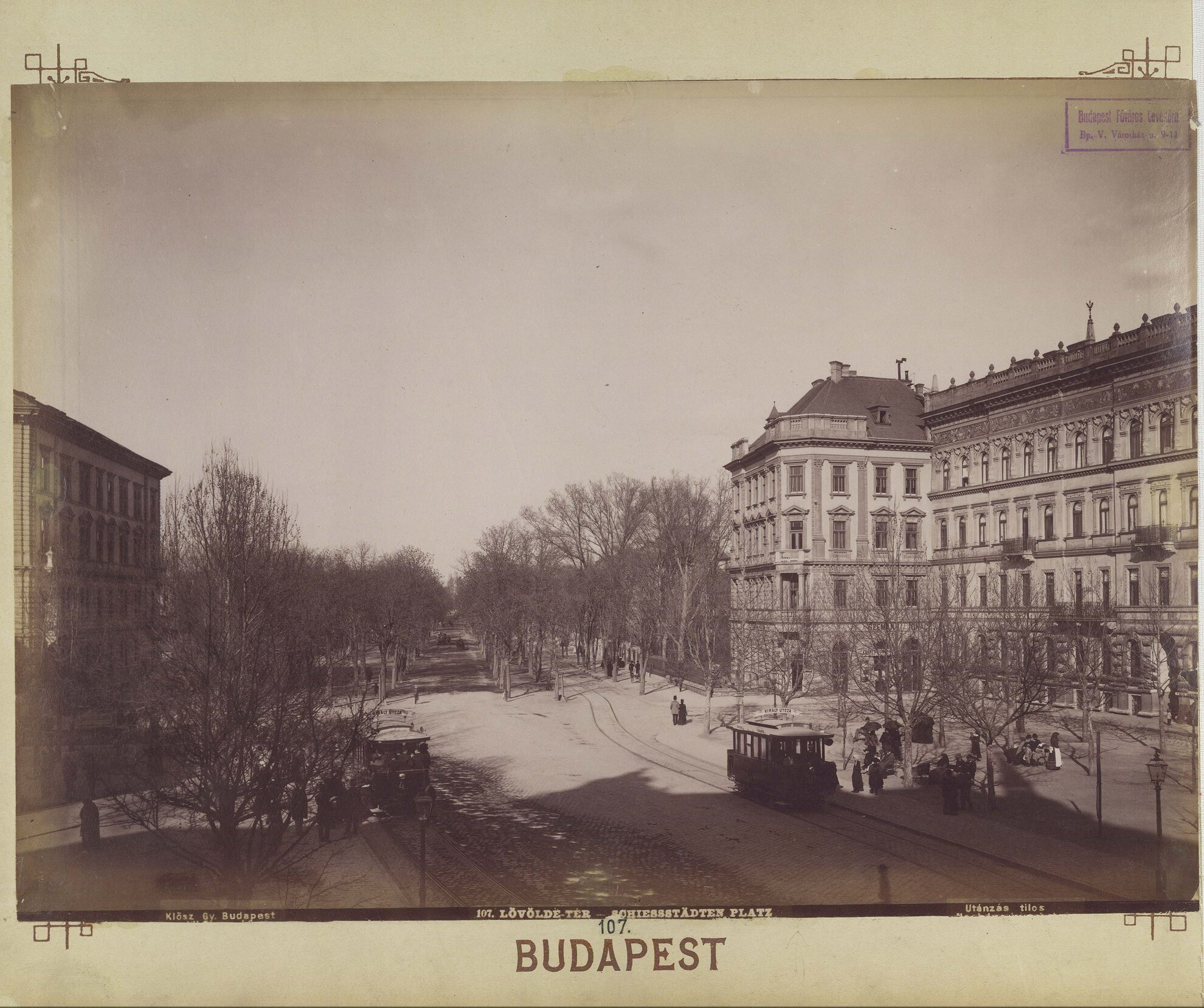
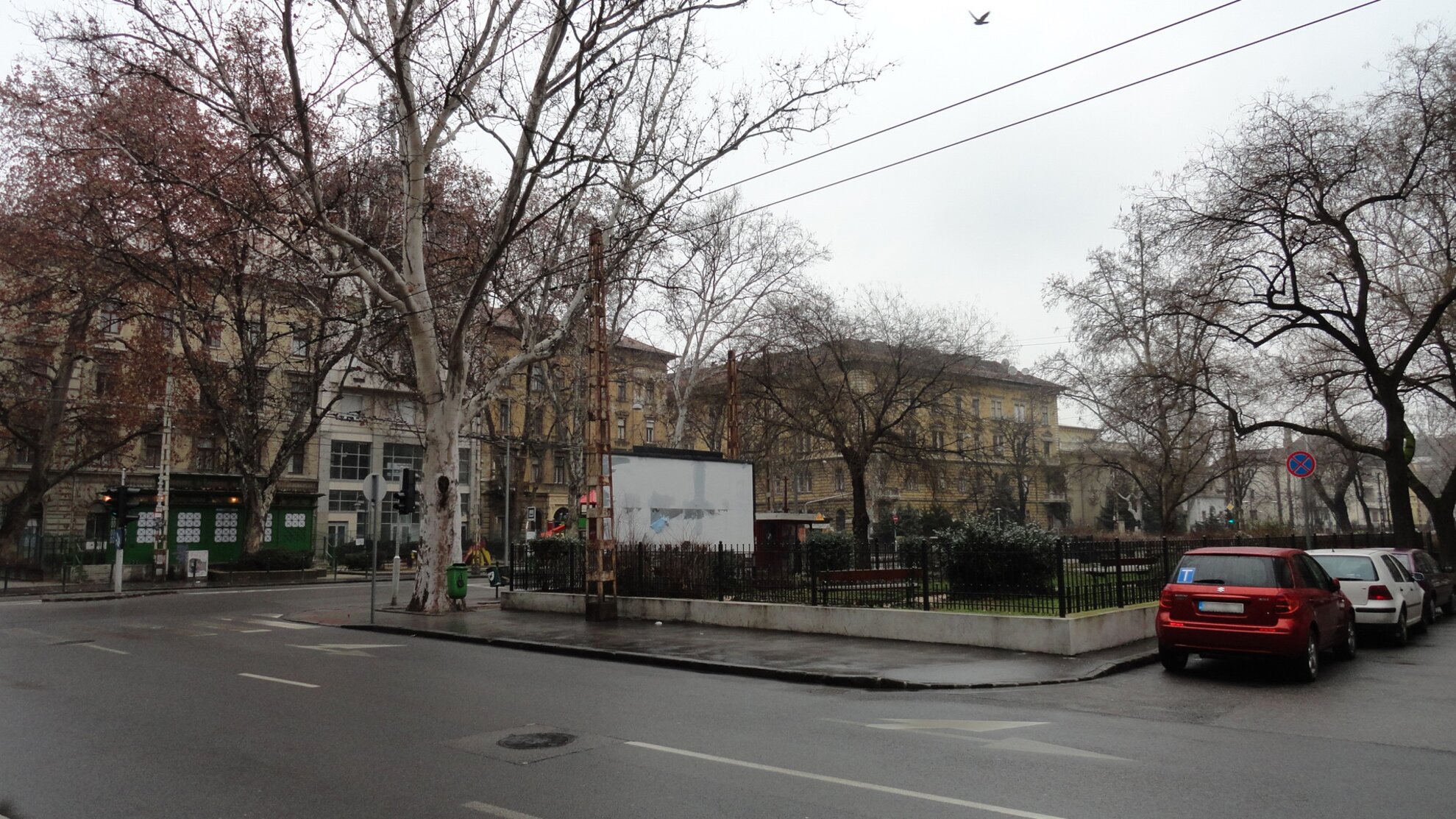
The area now occupied by the square has been delineated since the 1750s but the site only became a prominent location a century later when it was officially christened Lövölde tér (‘Shooting Range Square’), the name it still bears to this day.
Little is known about the square and its name before then. As the infrastructure of the city improved and the neighbourhood began to change, an important new facility moved to Lövölde tér, hidden inside the walls of a monumental building: an indoor shooting range. This was, in fact, Pest Shooting Range No.1, an establishment with a chequered history which opened its doors to the public in 1840.
From the 1700s, Hungarian citizens had the civic duty to protect their towns if there was a threat looming. The obligation first only applied to artisans and merchants of a guild, but later it was extended to every able-bodied citizen: they had to learn how to shoot a firearm and regularly visit shooting ranges to sharpen their skills.
In 1701, Leopold I issued a decree ordering the participation of citizens in target shooting every market day and bank holiday. Some four decades later, an amendment to the decree introduced by Empress Maria Theresa announced that every male citizen was obliged to practise regularly at shooting ranges for a whole year.
Back then, two indoor shooting ranges were in operation, one in Buda and one in Pest. The one near Széna tér, built in 1696, is how adjoining Lövőház utca (‘Shooting House Street’) got its name, while across the Danube, near Astoria, stood Shooting Range No 1. It opened just before the enforcement of Leopold I’s decree.
The first wooden structure of Shooting Range No.1 was converted into a more permanent stone one in 1776, but locals quickly outgrew it as Pest developed. In 1789, the shooting range was moved to a plot bounded by Vámház körút, Só utca, Bástya utca and Királyi Pál utca, where citizens could finally improve their shooting skills in a modern and spacious environment.
As demand for new apartment buildings increased, the facility had to
move once more. This time its new location was near Kálvin tér, surrounded by Pest’s
most splendid classical-style buildings. Grand Doric columns and a triumphal
arch-like gate welcomed those who entered the large complex of Shooting Range
No.1, where guests could eat in multiple restaurants and enjoy the amenities of
a cigar room, lounge or dance hall, and even take a walk in the private park.
Its
glory days came to an abrupt end when the city fell victim to the Great Flood
of 1838 and the building was destroyed.
The shooting range moved for one last time and took up its final
location on the north-eastern corner of Lövölde tér two years after the flood.
The architect behind the complex on Kálvin tér was András Zambelli, who passed
away at a tragically young age before the completion of his work.
In his honour,
the architect of the new shooting range on Lövölde tér drew much inspiration
from Zambelli’s original designs. Similar to the previous complex, the new one
also had two classical-style wings: one for the bars, restaurants and service
facilities, the other for the actual shooting ranges, with the range master’s
apartment. A delightful and spacious park was also part of the popular complex.
As the facility welcomed more visitors, the site also became more prominent. In 1874, the square officially received the name Lövölde tér but in 1890, the shooting range was demolished to satisfy the growing demand for apartment buildings at busy locations. This was the point in time when Lövölde tér gained the image we are familiar with today.
The shooting range is now long gone but the locality is still lined with
landmarks, iconic buildings which stand out for their famous history and
well-known visitors.
The Kairó kávézó at No.6 was once the go-to meeting place for
turn-of-the-century intellectuals and socialites: the ensemble of renowned
figures included artists, art historians and politicians such as Pál Teleki,
future prime minister of Hungary.
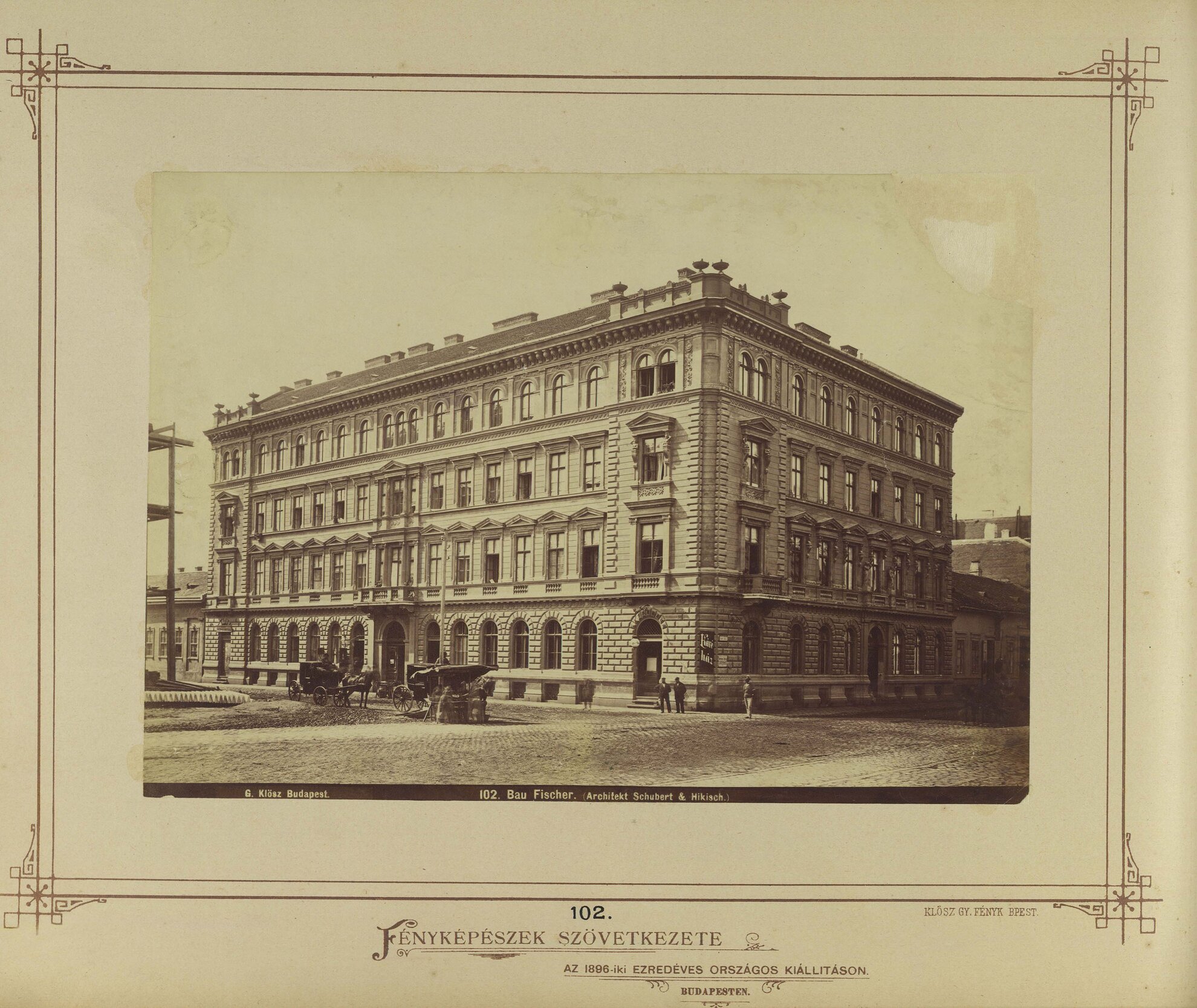
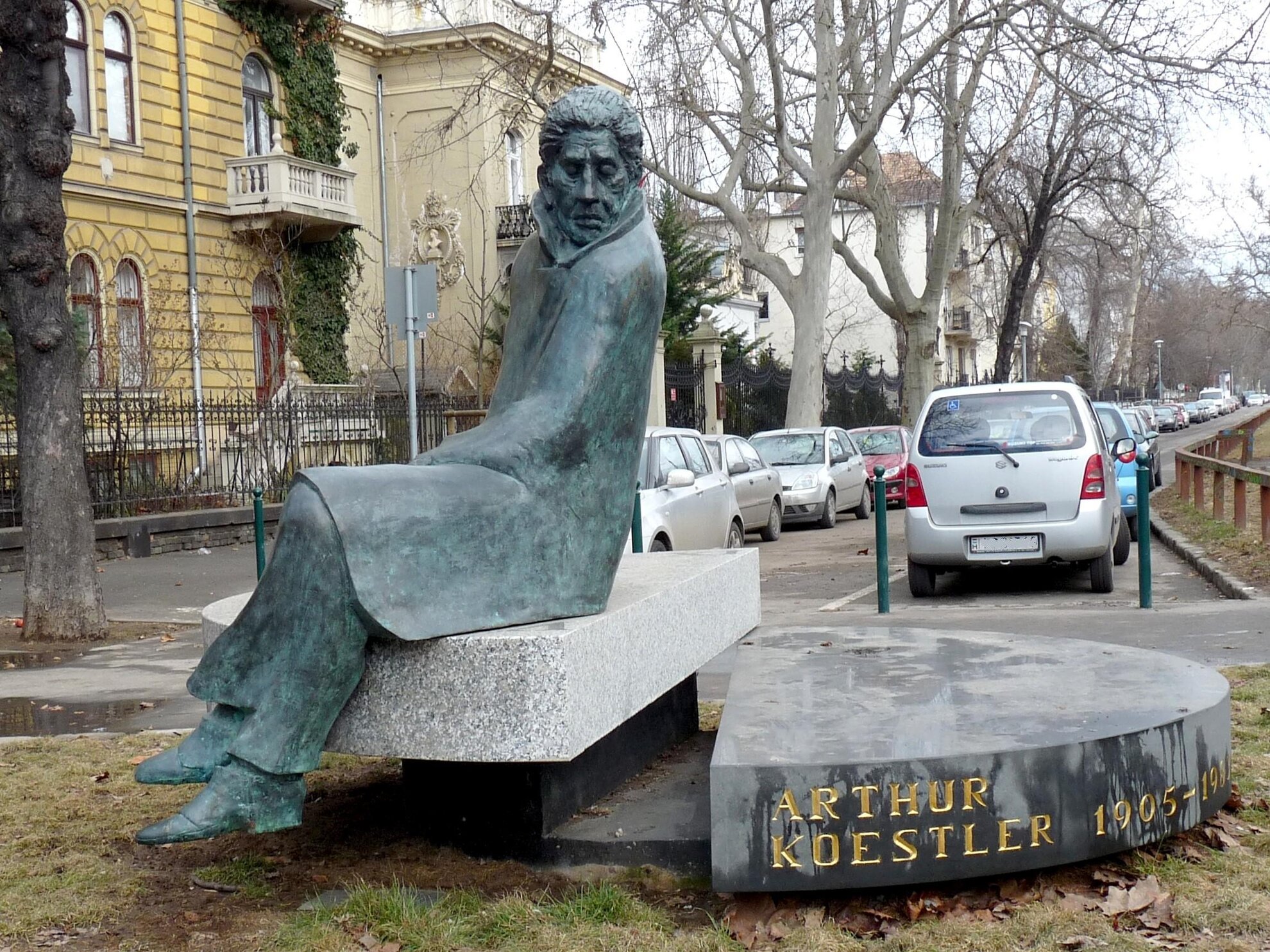
Fischer House at No.7, built in 1872, is the only building on the square which has remained intact despite the ravages of war and revolution. If the walls of this urban residence could talk, they would undoubtedly spin a few anecdotes about the tumultuous life of Arthur Koestler, born Kestler Artúr in Terézváros, a Hungarian-British author of world renown whose commemorative statue on Lövölde tér – created by prize-winning sculptor Imre Varga – was unveiled in 2009.
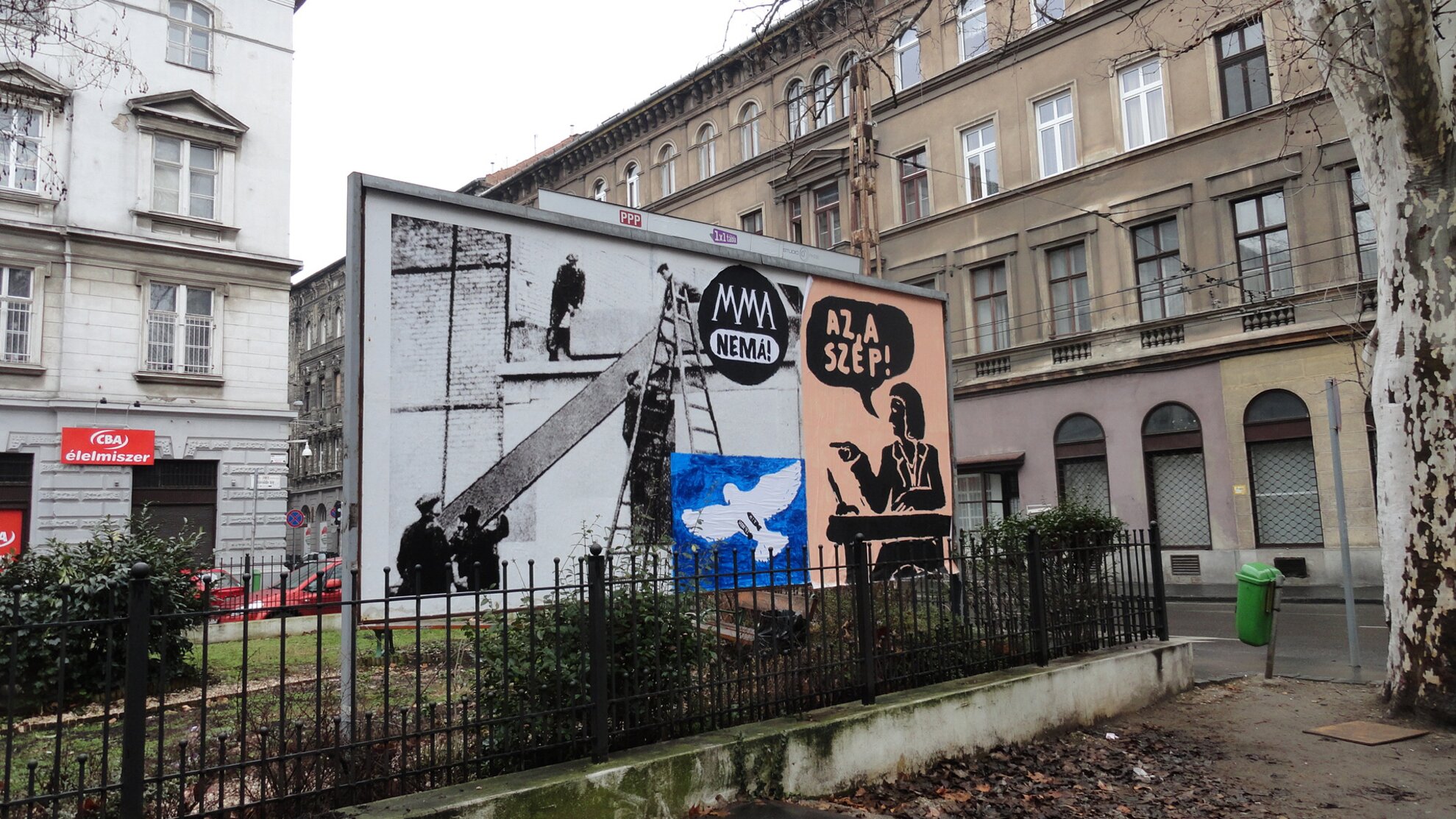
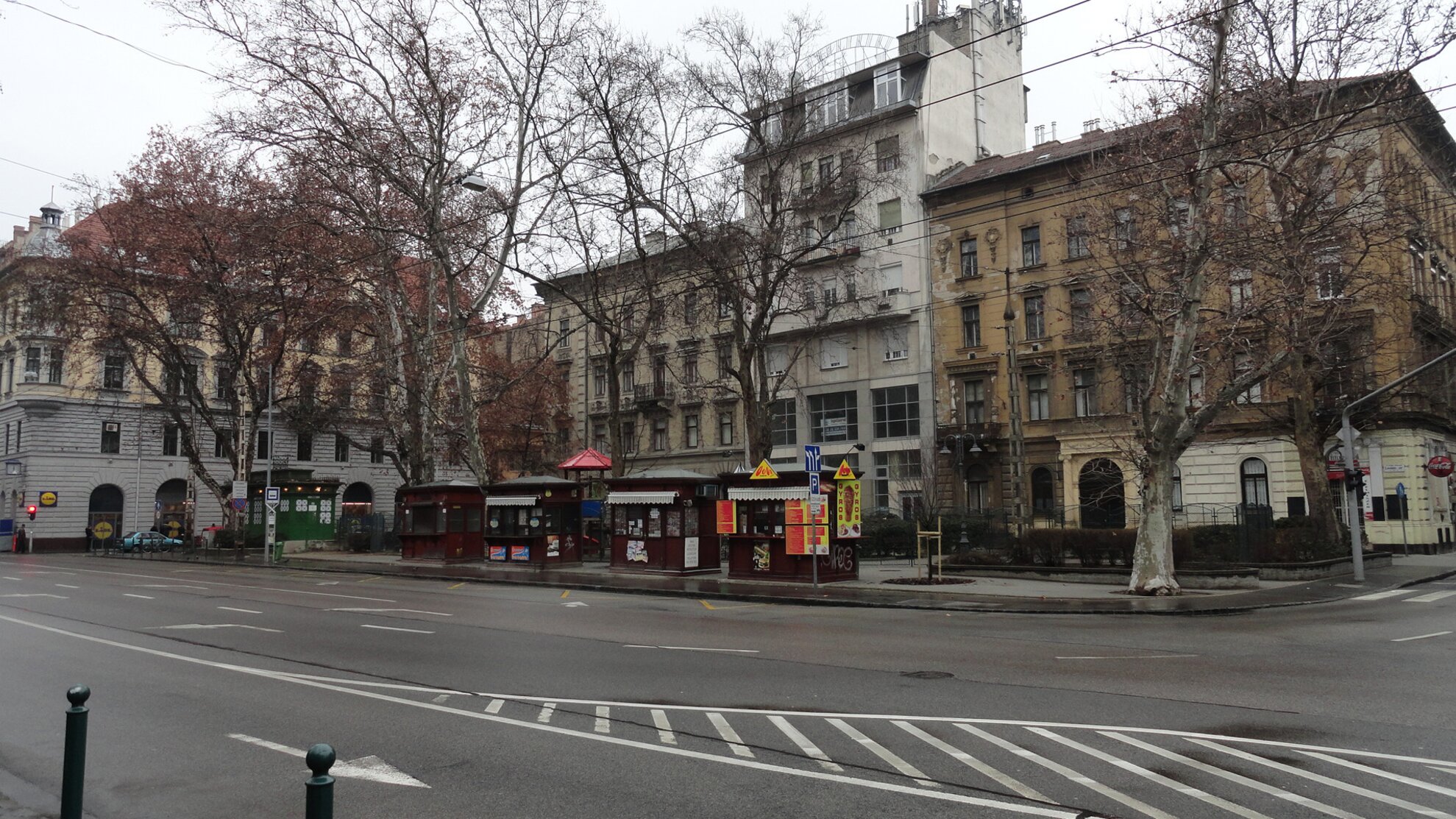
Diagonally opposite stands a large billboard, the 1x1 Tábla, which serves as a creative space for contemporary artists who wish to put their works on display. The first exhibitor was Kriszta ‘Tereskova’ Nagy, whose bold photograph defiantly ruffled the feathers of passers-by in 1998.
Rumour has it that famous actor and director András Kern spent his childhood years here, perhaps inspiring his 1985 song entitled Lövölde tér on his debut LP. The celebrated hit has been redone by a diverse array of artists including Gypsy swing merchants Budapest Bár.

Lövölde tér also plays a vital role in Vilmos Kondor’s best-selling Budapest Noir, an intense political and historical thriller which follows the life of lead character Zsigmond Gordon in the mid-1930s while he is trying to solve a murder case. Gordon pays visits to Lövölde tér as his girlfriend lives in one of the apartment buildings here.
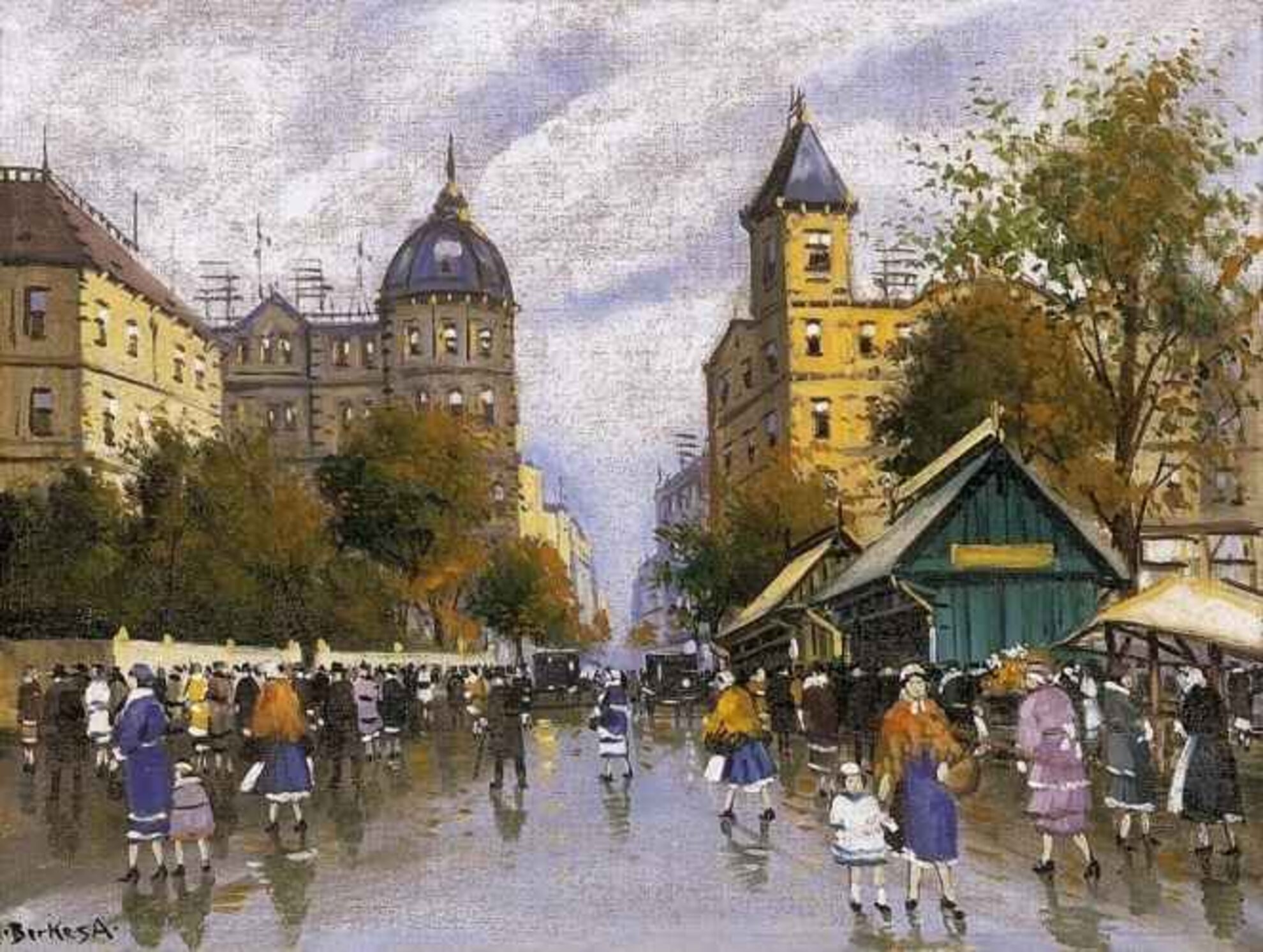
Gordon would have noticed that mysterious-looking green block in one
corner of the square, actually a public toilet. Locals call it the ‘green tram’
as its shape resembles Budapest’s first tram carriages, which used to be green,
not today’s familiar yellow.
Back in the day, these elegant public conveniences
were everywhere in the city but their Golden Age is now over, as only a few are
still open. You'll find others on Rózsák tere, Ferenc tér and near
Bécsi kapu in the Castle District.

Megjelent első bookazine-unk, ne maradj le róla!
Már 15 éve lélegzünk összhangban a fővárossal. Jubileumi kiadványunkban mindent megtalálsz, ami magazinunk és eddigi munkánk esszenciája. Gasztronómia, kultúra, városi legendák és Budapest arcai, interjúk, történetek és a legjobb helyek – úgy, ahogyan mi látjuk a fővárost.
Rendeld meg itt vagy keresd a nagyobb könyvesboltokban!
hirdetés


