

Those who have attempted a social media detox or tried to go a couple of days without a smartphone know the struggle – getting off the internet is no easy task. The Ludwig Museum has just unveiled a hypothetical exhibition about life in 2023, after the collapse of the internet. In the digital desert, smartphones are no more than dark mirrors and electronic waste, while our memories, relationships and data are all lost through the web-deletion process.

Although a large number of millennials – aka generation Y – and those older grew up without the internet, people are increasingly dependent on it, and can hardly imagine life without it. We store our memories on virtual clouds, develop relationships through social media and many of us even do our jobs online.
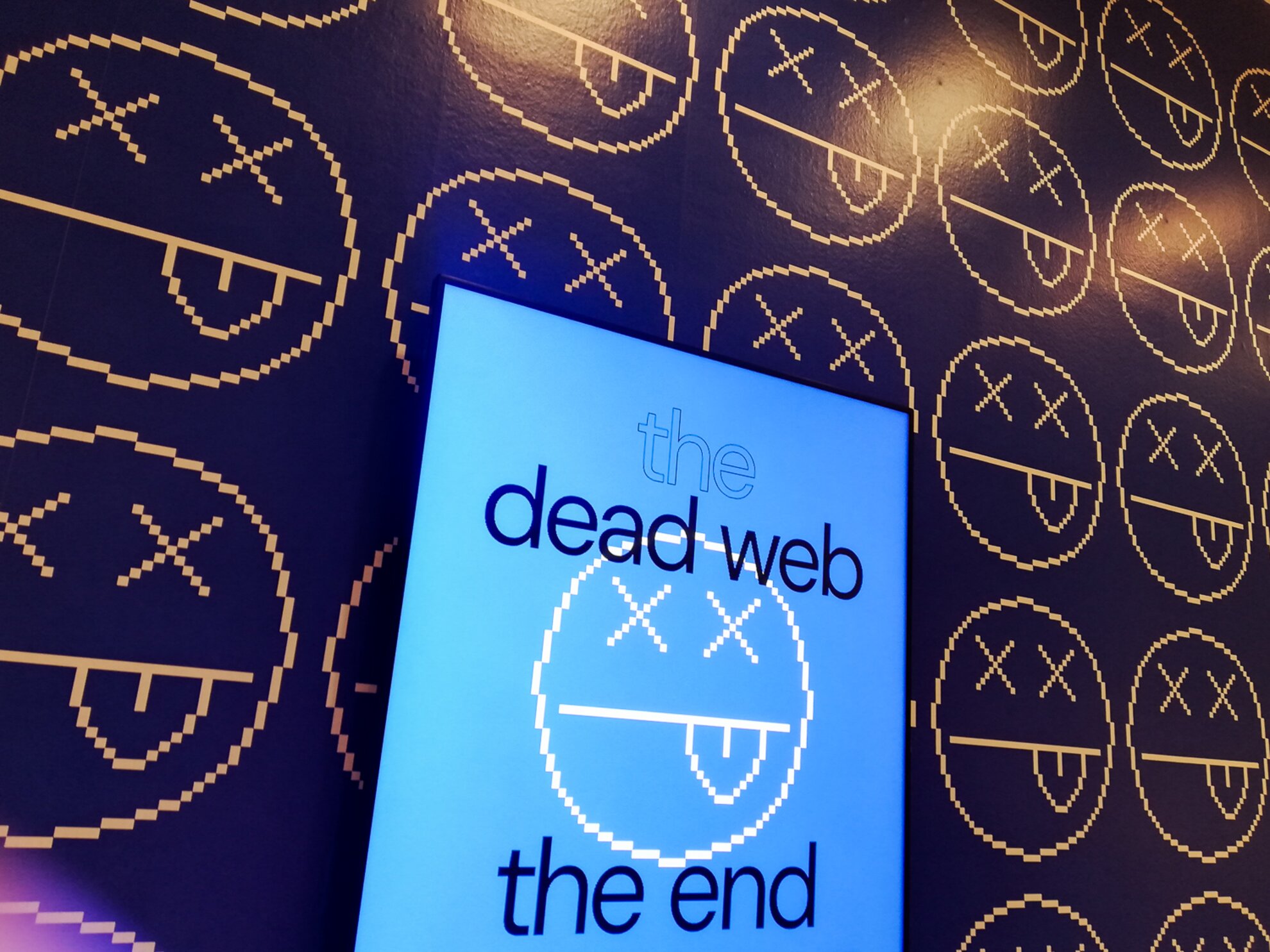
The Ludwig Museum’s latest exhibition proposes an alternative future. It displays what happens when the internet collapses on its 25th anniversary in 2023, and contemplates the social and economic change that follows. As expected, there is an endless sea of electronic waste, but art finds a way to triumph in the digital desert. The Dead Web – The End exhibition was originally displayed in 2017 at Eastern Bloc in Montréal and last year it made an appearance at the Mirage Festival in Lyon and the Mapping Festival in Geneva.
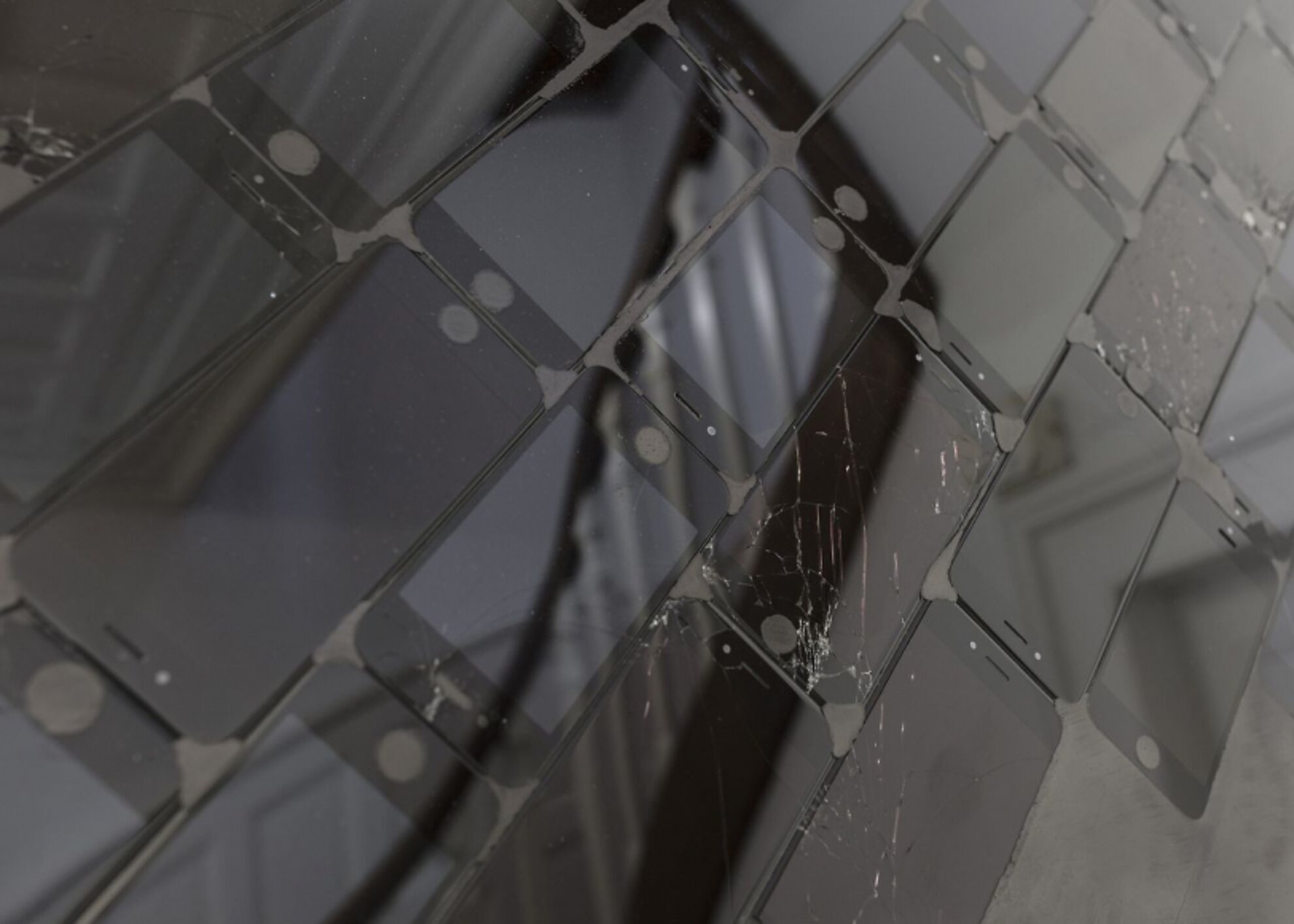
The portrayed artwork combines fiction with current realities. Julien Boily’s oil painting, Memento Vastum, contrasts the still lifes of the 17th century by reflecting the emptiness and futility of human life with an empty computer screen. A reoccurring theme at the exhibition is Simon de Diesbach’s worn-out, oil-stained black faux mirror of broken iPhone screens. This shows how the smartphone, so vital for all of us, can instantly be reduced to just another worthless object.
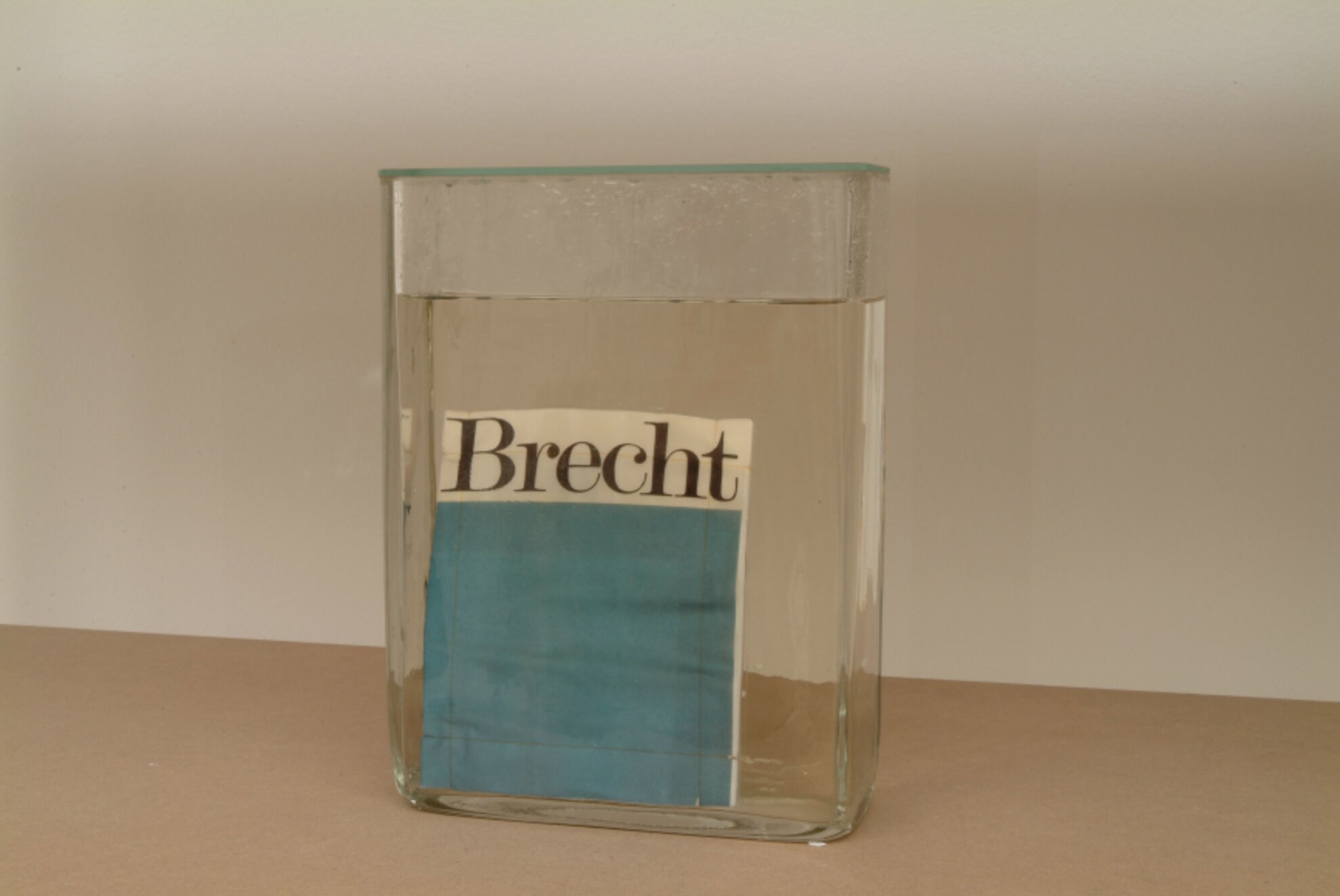
One favourite at the exhibition is the room that features Frédérique Laliberté’s Infinitisme.com and Roman Ondak’s installation, Extended Sleep. While the former is a random composition of pictures, sounds, gifs and videos from hard drives and external repositories, the latter presents floating books by Baudelaire, Dostoyevsky, Kafka, Brecht, Pessoa and Borges in airtight jars. These confusing installations create a sense of what might take place after any historical catastrophe: the sealing of information, knowledge and human legacy.
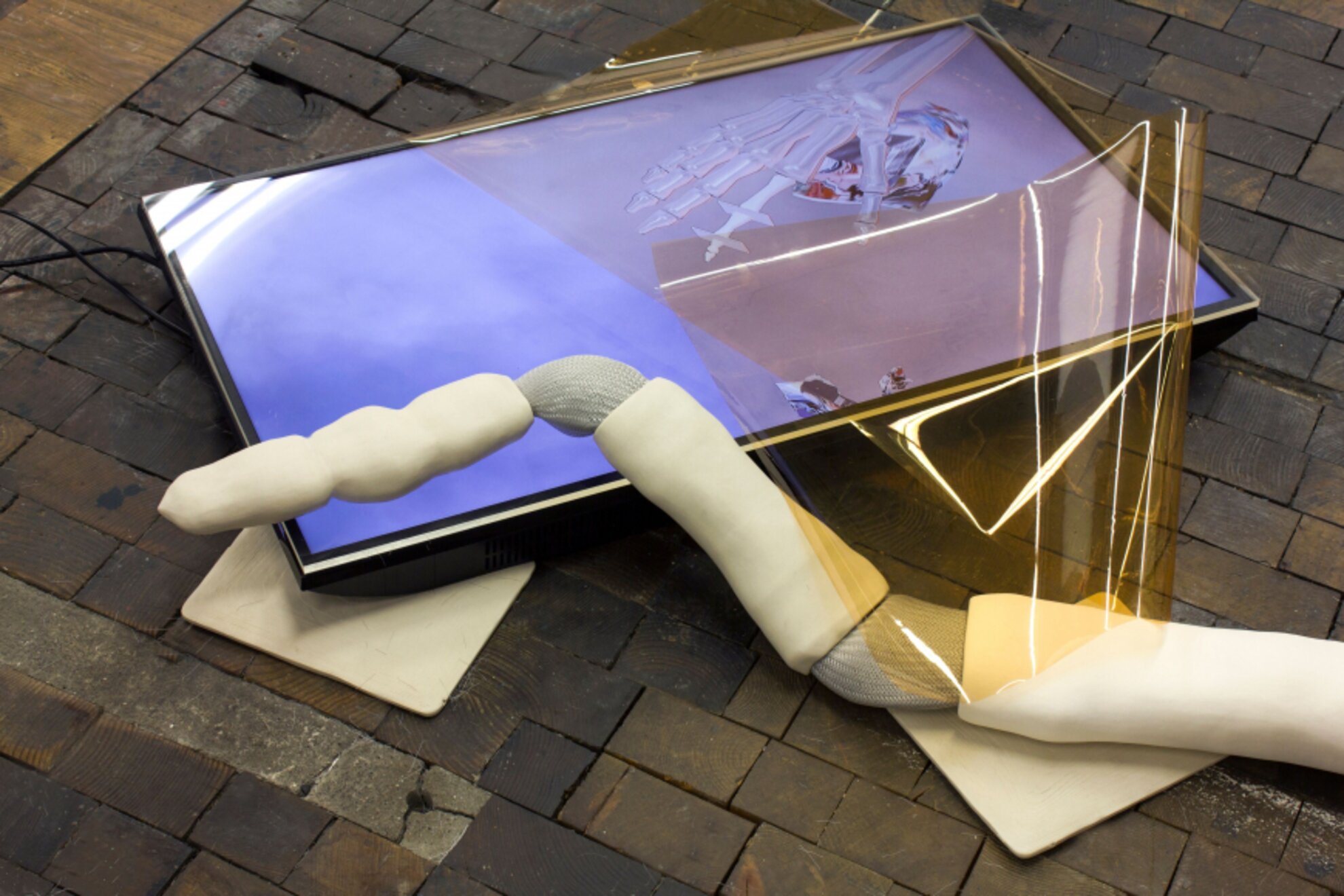
Some of the artwork provides reminders of the practical issues arising when electronics become obsolete – In Extremis by Dominique Sirois and Baron Lanteigne depict working, broken and malfunctioning monitors together in a statue.
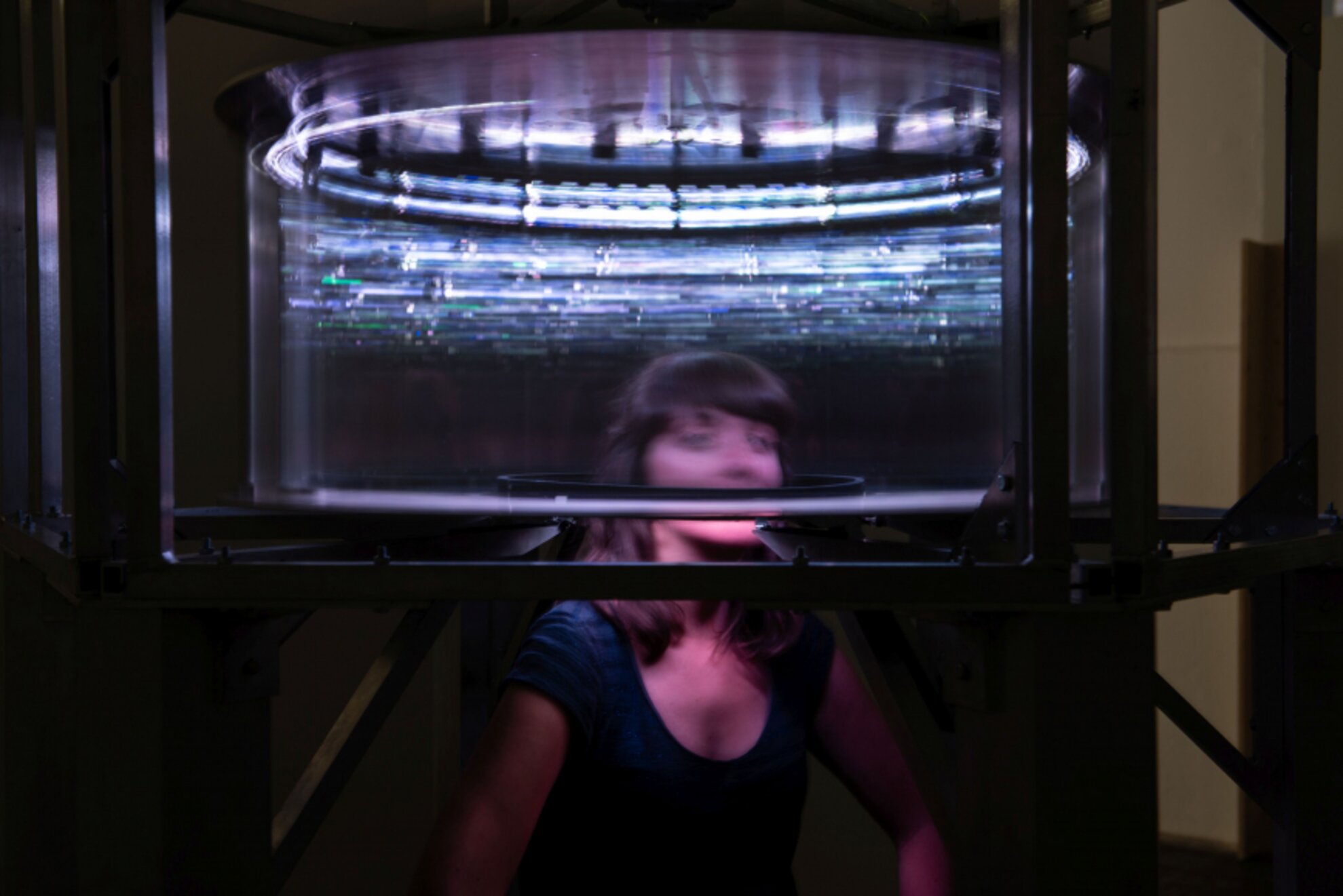
One of the most astonishing aspects of the exhibition is the Projet EVA: The Object of the Internet. It takes place in a dark room, where you can sit inside a box of illusions, surrounded by lights and mirrors, seeing your face in quickly passing fragments. The installation proposes a dystopian future, where only artificial, highly manipulated versions of us remain in the form of selfies on social media.
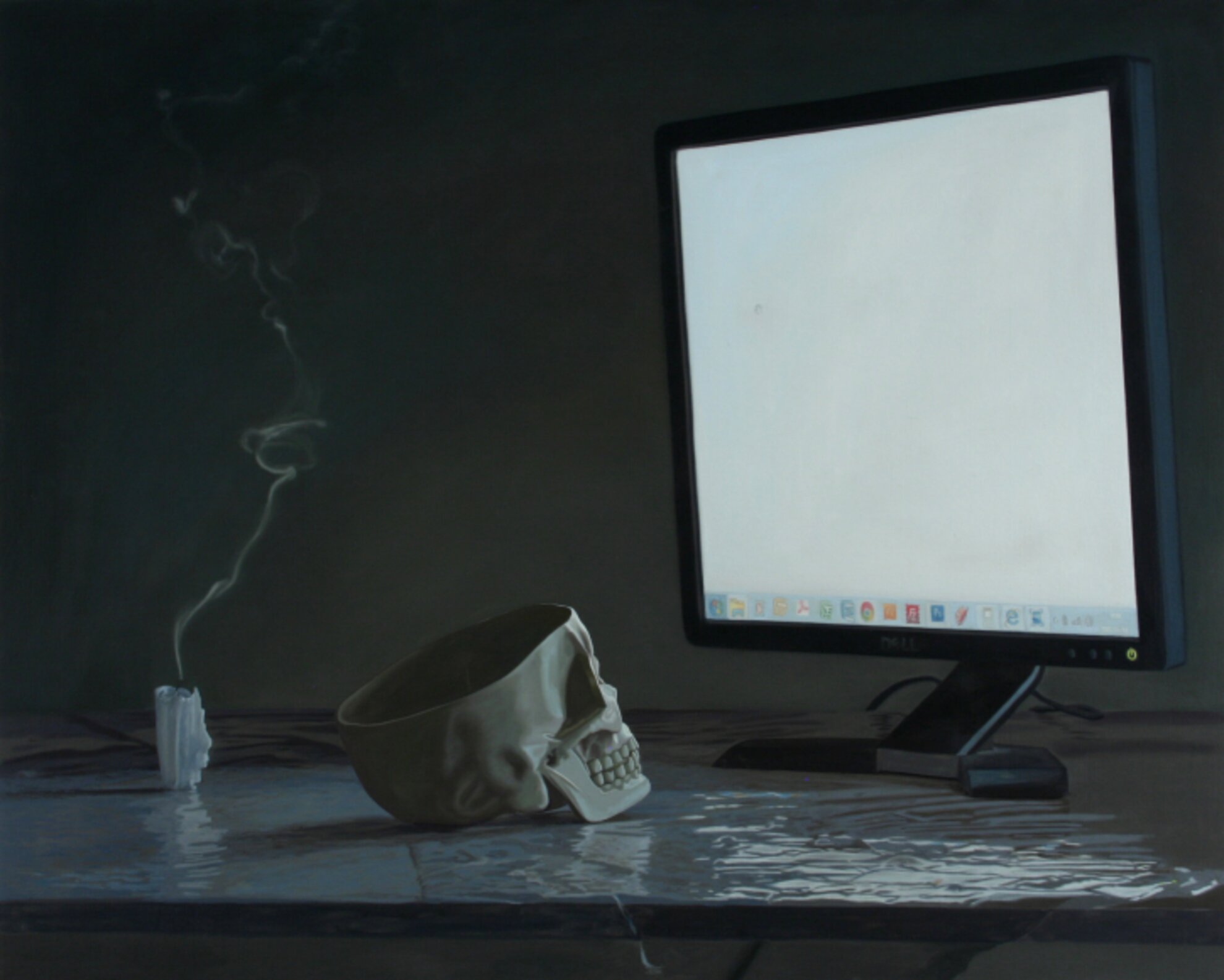
The exhibition questions our relationship to the digital world by displaying a number of thought-provoking installations and works of art. Because it revolves around a problem close to all of our hearts, it is both exciting and terrifying, and most certainly worth a visit.
The Dead Web – The End
Ludwig Museum
District IX. Komor Marcell utca 1
Open: Tue-Sun 10am-8pm (until 26 April)

Megjelent első bookazine-unk, ne maradj le róla!
Már 15 éve lélegzünk összhangban a fővárossal. Jubileumi kiadványunkban mindent megtalálsz, ami magazinunk és eddigi munkánk esszenciája. Gasztronómia, kultúra, városi legendák és Budapest arcai, interjúk, történetek és a legjobb helyek – úgy, ahogyan mi látjuk a fővárost.
Rendeld meg itt vagy keresd a nagyobb könyvesboltokban!
hirdetés


