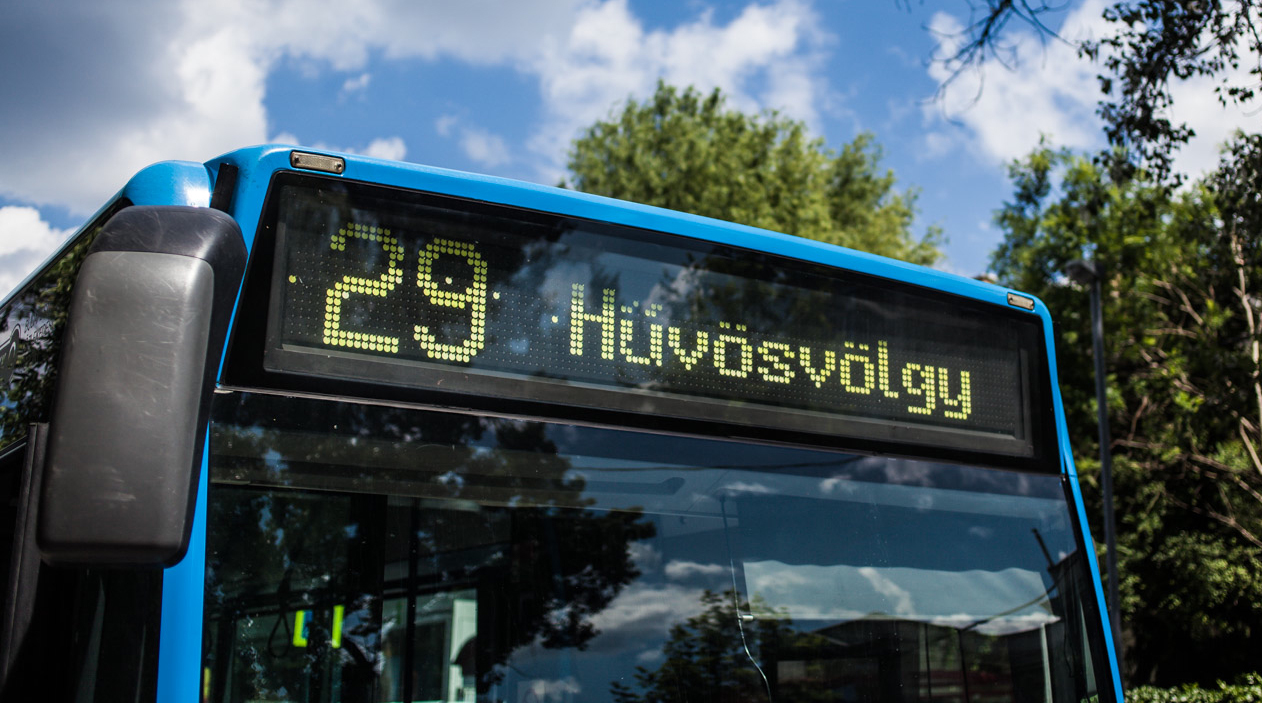

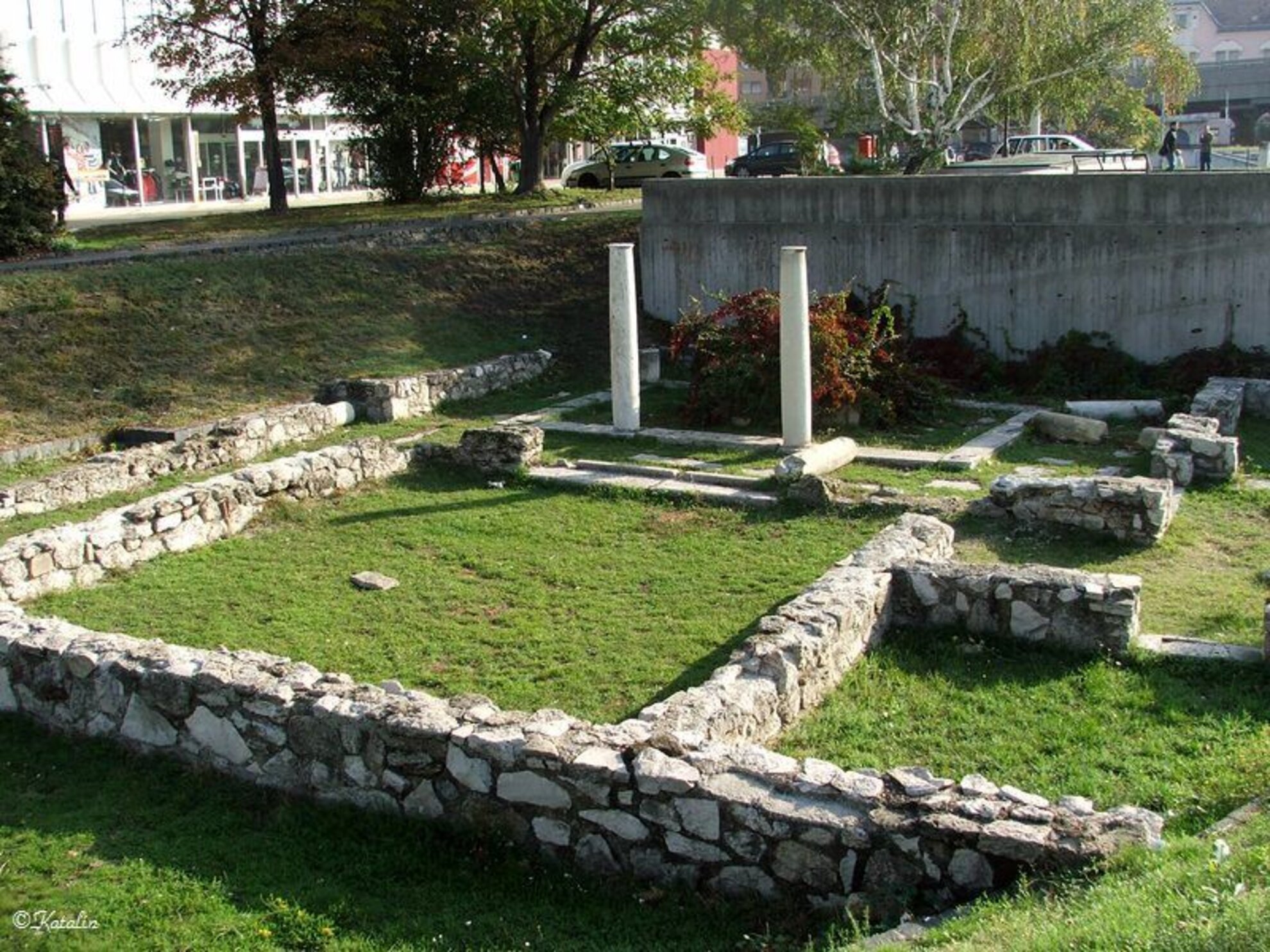
After bus 29 departs from its riverfront terminus at Szentlélek Square in central Óbuda – easily accessible by the HÉV commuter train departing from Batthyány Square in central Buda – one of its first stops is Flórián Square. Even though the modern-day landscape of Flórián Square is characterized by an eyesore shopping center built in 1976 and Soviet-era panel-building apartments, this hasn’t always been the case. If we turned back time and traveled to the era of the Roman Empire, we would find a big military bathing facility here in the place of the present underpass – the Thermae Maiores, which was part of the ancient settlement of Aquincum. On the square outside the shopping center we can still see the bath’s columns, presenting an interestingly eclectic sight amid the immense apartment blocks.
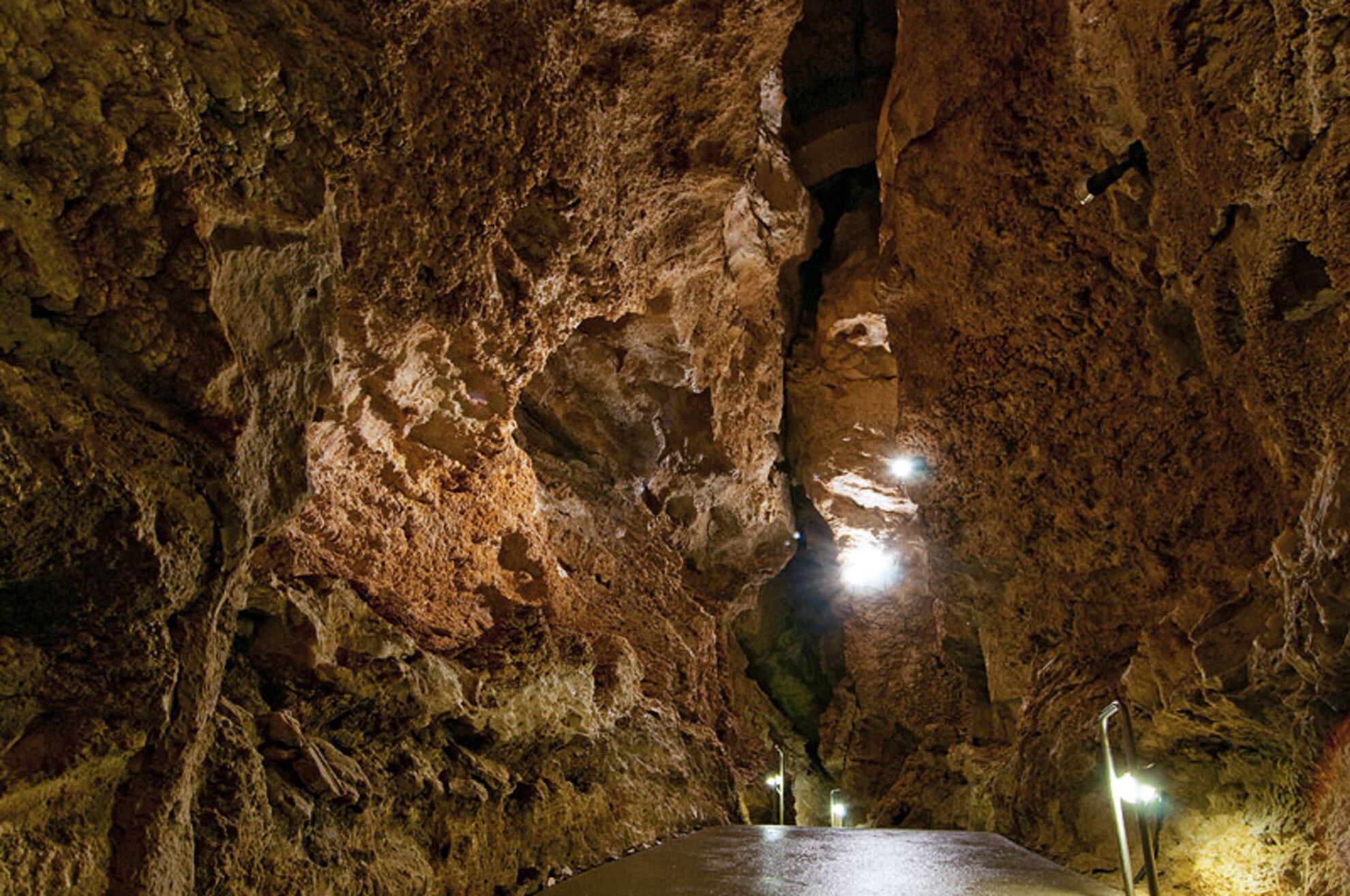
The excitement increases when bus 29 starts heading uphill from Kolosy Square, for which a bag of Hungary’s classic pogácsa scones is a perfect companion – purchased from the famous Daubner confectionery, found near the Üröm Street stop. Two charming caves, Szemlő-hegyi Cave and Pál-völgyi Cave are both found along the way, near the Zöldmáli Road and Szemlő-hegyi-barlang stops; we already presented Pál-völgyi Cave in detail in a former article. In the 30-km-long underground cave system it is possible to join organized tours – just as we did – and it proves to be an ideal alternative for hiding from the warm rays of sunshine in the summer. The Szemlő-hegyi CaveSystem was partially made accessible for people with reduced mobility at the time of its modernization in 2011; they often host cave therapies here, and we also find an educational trail inside.
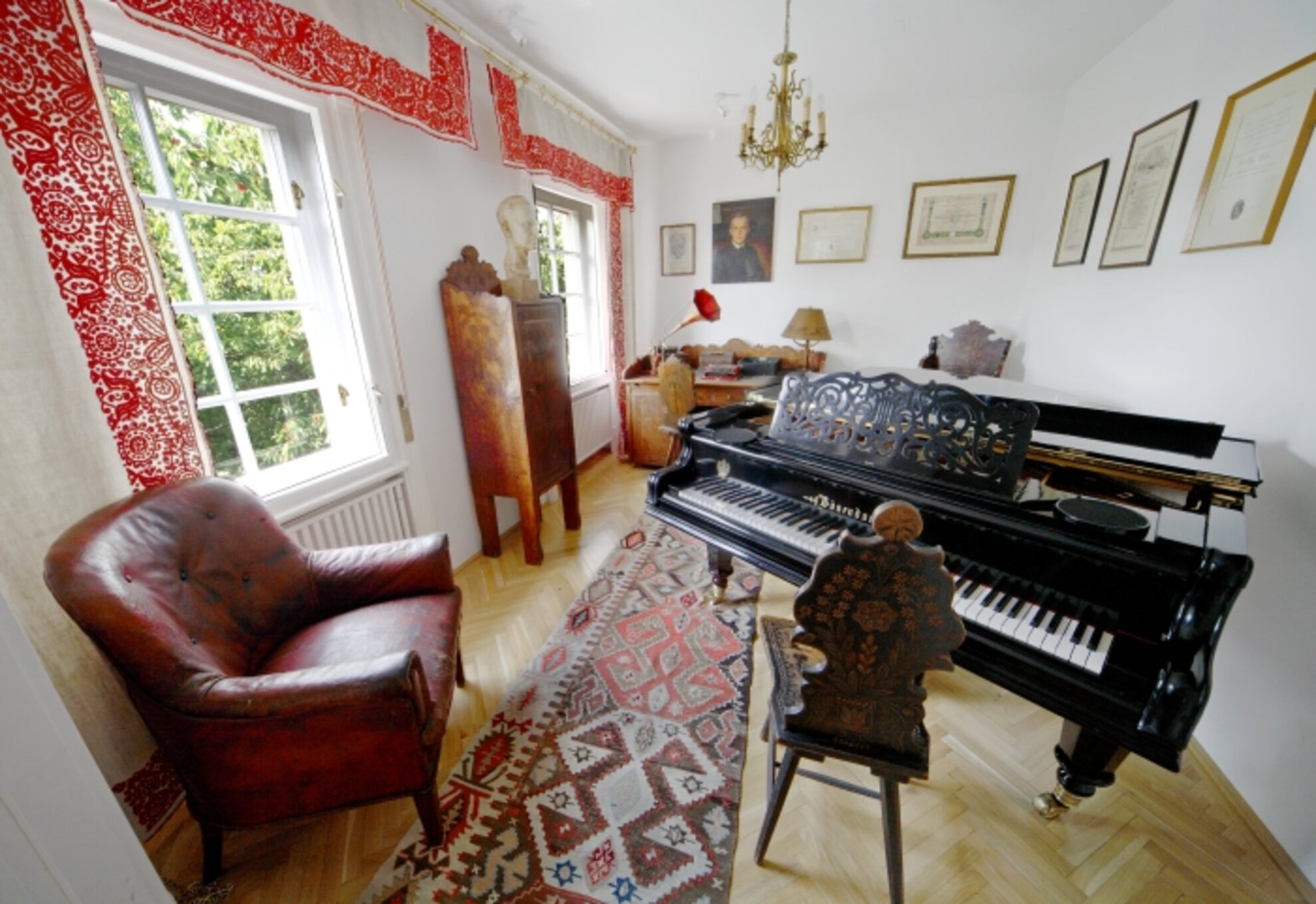
Soon after passing these cool caverns, bus 29 reaches the peak of Buda’s Rozsadomb hill, and begins descending toward Hűvösvölgy. Soon we reach the Pasarét part of District II, which got its Hungarian name from Abdurrahmán Abdi Arnaut, the last Turkish Pasha; previously it was called Schmalsbergel (“Fat Hill”) and Sauwiesen (“Pig Meadow”) in German. This square is an immensely interesting spot; modern bistros, retro turn-of-the-century confectioneries, and the Church of Saint Anthony of Padova – a remarkable building of Magyar modernism – all stand side by side here. A short walk away we find the Béla Bartók Memorial House, which was the workplace and last Hungarian residence of the famous Magyar maestro and musicologist, built in 1924. In the era of Bartók, Pasarét was less developed than it is now, so its flora and fauna provided pleasant relaxation for many artists. Inside the home museum, visitors can see Bartók’s personal belongings, furniture, and musical instruments, and his enthusiasm for regional folklore and Hungarian culture is evident everywhere, which provides intriguing insight to the creation of his unique compositions. Concerts are often held in the house, and young talents are sometimes introduced amid here in the same place where Bartók first played many of his compositions. The Memorial House is open from Tuesday-Sunday, between 10am and 5pm.
In addition to Béla Bartók, some of the other eminent Hungarian artists who lived amid Pasarét’s inspiring environment were the internationally renowned writers István Örkény (Pasaréti Road 39), Magda Szabó (Júlia Street 3), and Antal Szerb (Torockó Street 9/a).
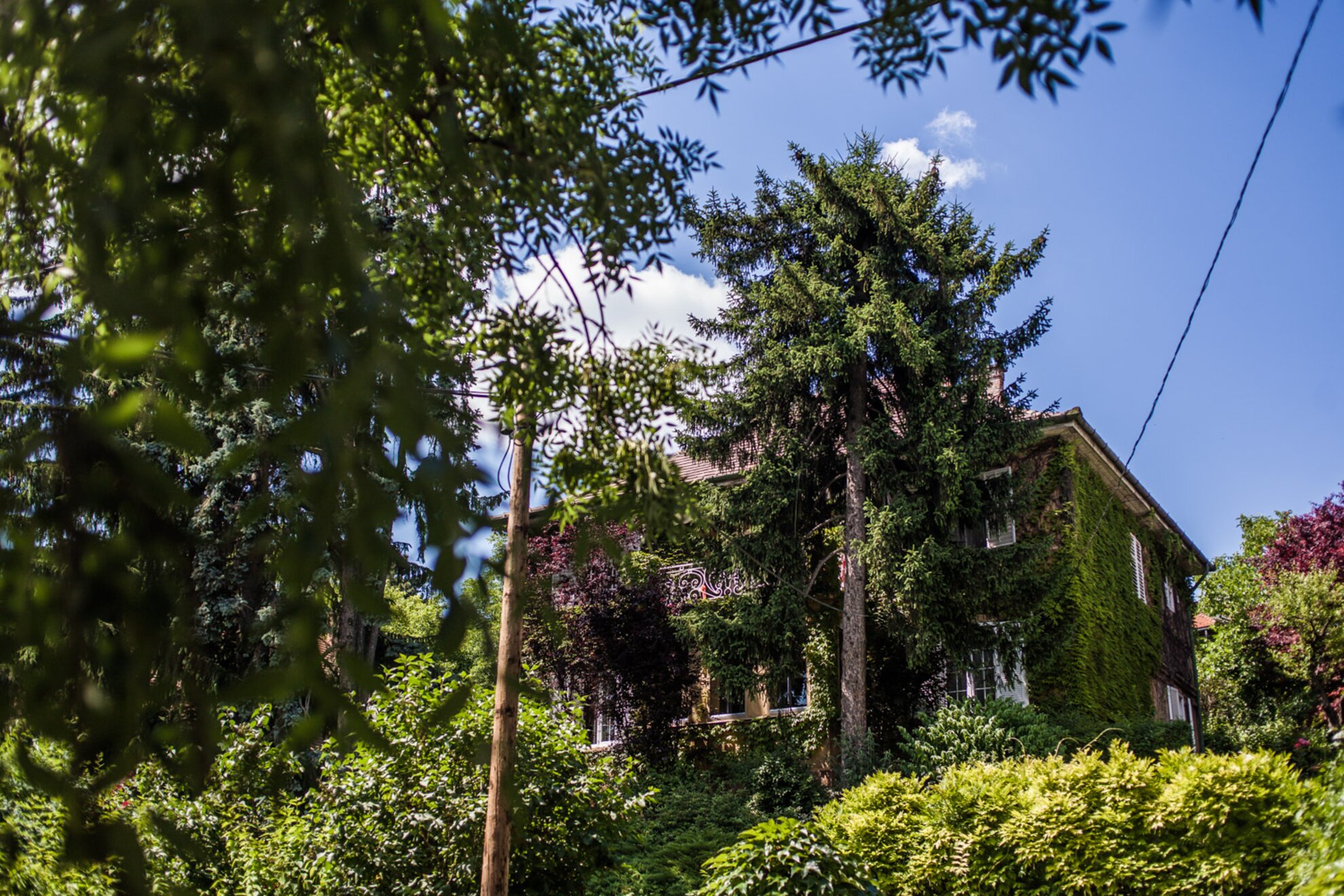
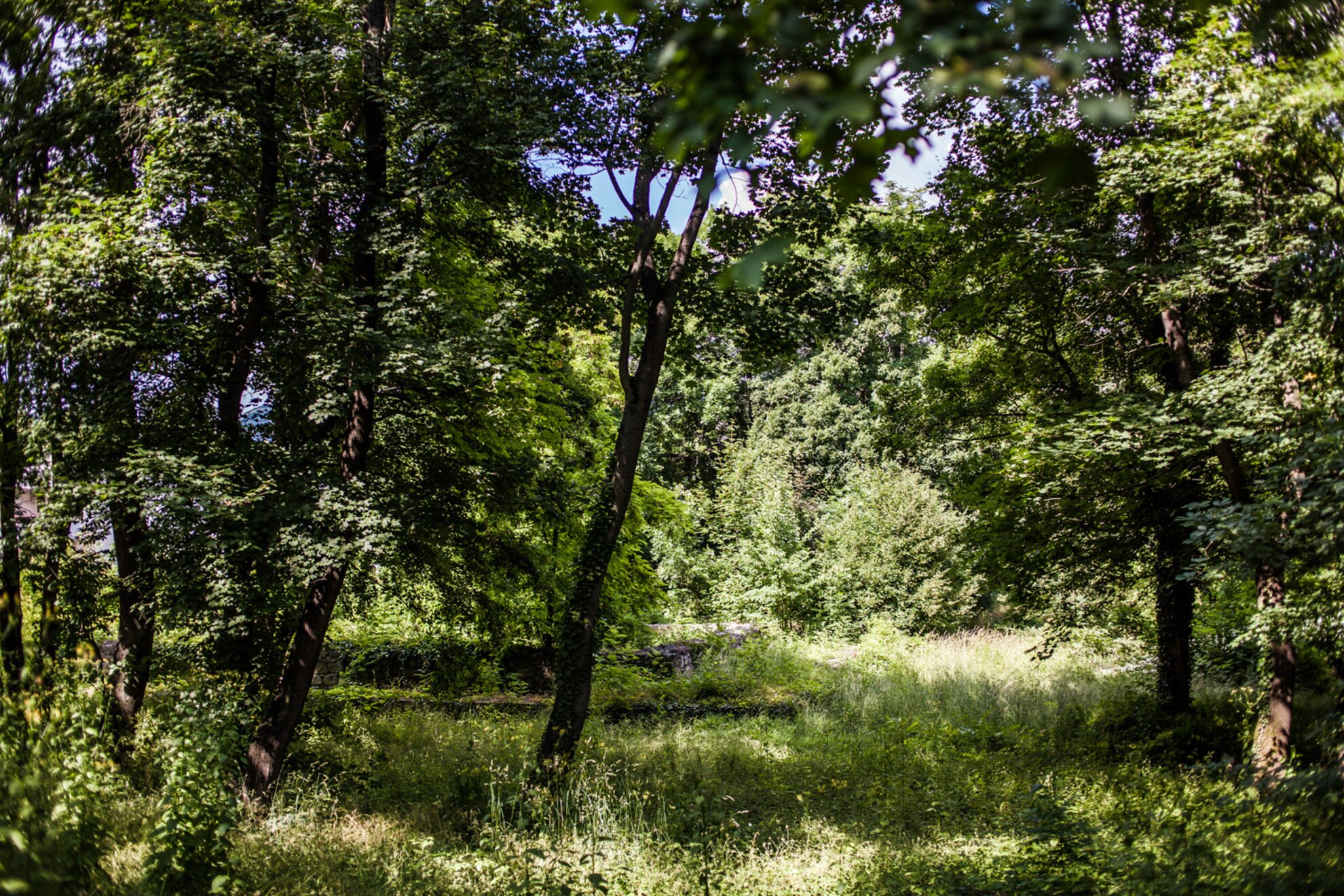
Back aboard bus 29, if seats are available at the front it is recommended to take them, as the panorama can be really pretty while passing through this area’s lush greenery. Wonderful Bauhaus villas, ornamented gardens, and buildings with completely wild abandoned courtyards stand side-by-side here in this interesting environment.Continuing toward Hűvösvölgy, looking left at bus 29’s Bölöni György utca stop, we see a spacious green area on the corner of Fekete István Street and Hűvösvölgyi Road. Not many people know that this is not the site of an “average” onetime villa, but the location of King Matthias’s castle; the ruins were discovered in 1930. The Renaissance-era royal castle was unfortunately destroyed during Hungary’s 16th-century Turkish invasion, but the stone wall of the park and the ruins of the chapel are still visible from outside. According to legend, Hungary’s “King of the Peasants” not only kept indigenous animals here, but also housed exotic camels and lions. The feasts of medieval royal gatherings have always been legendary; like the Medicis, King Matthias also highly appreciated fine gastronomy. Besides the wild animals, they also grew special spices and herbs in the garden, such as sage, mint, lovage, rosemary, and thyme. The stone wall – which is partially still visible today – was two meters high so that deer could not jump over it to get inside.
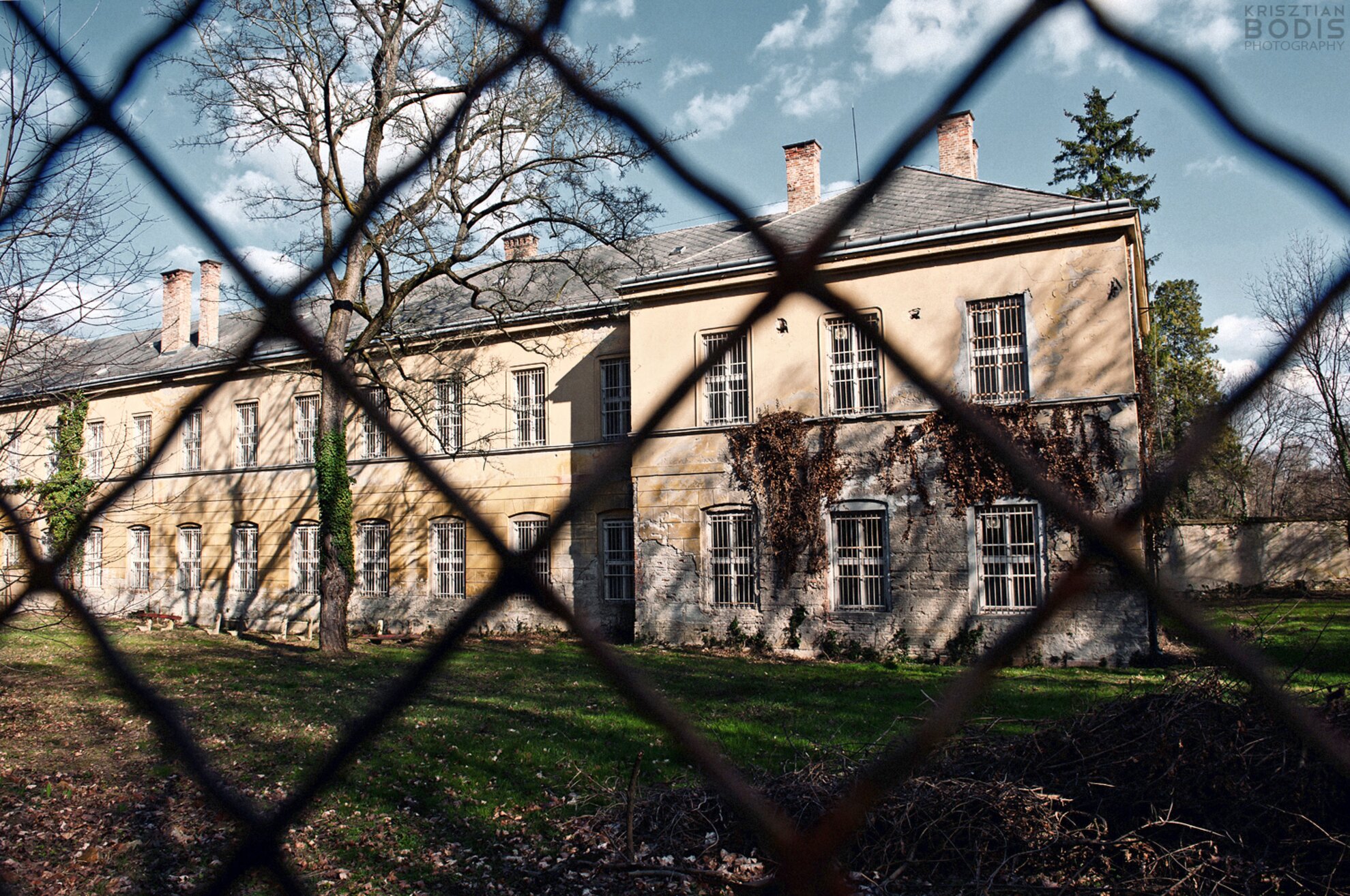
One of the most spellbinding buildings of Budapest is the abandoned National Institute of Psychiatry and Neurology, found on Lipótmezei Road near bus 29’s Lipótmezei út stop. The institute was built in 1868, and was negatively nicknamed “the yellow house” – a phrase which is still used to refer to any insane asylum in Hungary to this day. It closed its gates for good in 2007, and has been abandoned ever since. The huge main building, standing in the middle of a huge park, is only a few square meters smaller than the Parliament. The asylum is one of the most mysterious and creepy buildings of Budapest, hiding mystical legends and stories that entice countless people for an adventure in this perhaps-haunted house, although because it is very difficult to get permission to enter, this activity is usually reserved for illegal urbex explorers who dare to wander the ghostly halls.
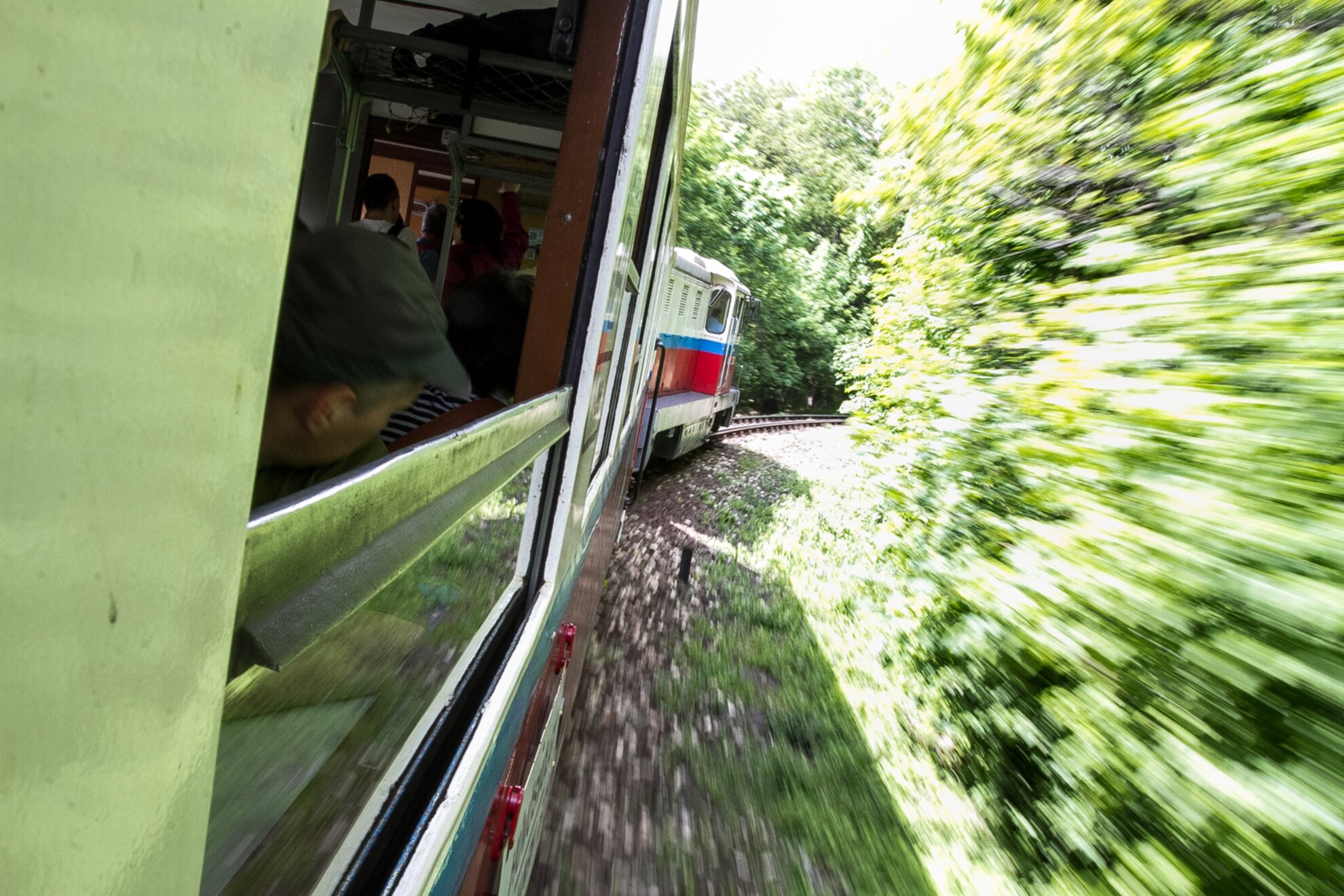
Leaving Nyéki Road and Csibor Street, bus 29 arrives at its final stop in Hűvösvölgy, where hiking trails lead into the surrounding Buda Hills – or from here we can continue with our Buda-side public-transport journey aboard the Children’s Railway, taking passengers from here to the panoramic peaks of Széchenyi Hill.

Megjelent első bookazine-unk, ne maradj le róla!
Már 15 éve lélegzünk összhangban a fővárossal. Jubileumi kiadványunkban mindent megtalálsz, ami magazinunk és eddigi munkánk esszenciája. Gasztronómia, kultúra, városi legendák és Budapest arcai, interjúk, történetek és a legjobb helyek – úgy, ahogyan mi látjuk a fővárost.
Rendeld meg itt vagy keresd a nagyobb könyvesboltokban!
hirdetés


